Get Full Government Meeting Transcripts, Videos, & Alerts Forever!
Lawmakers hear broad support to make Nebraska’s Prenatal Plus program permanent and extend postpartum coverage
Summary
Sen. George Dungan’s LB773 would remove a sunset on the Prenatal Plus program and extend services through 60 days postpartum; supporters, including hospitals, physicians and maternal‑health groups, said the program improves outcomes and can save Medicaid dollars, while some senators questioned fiscal-note assumptions.
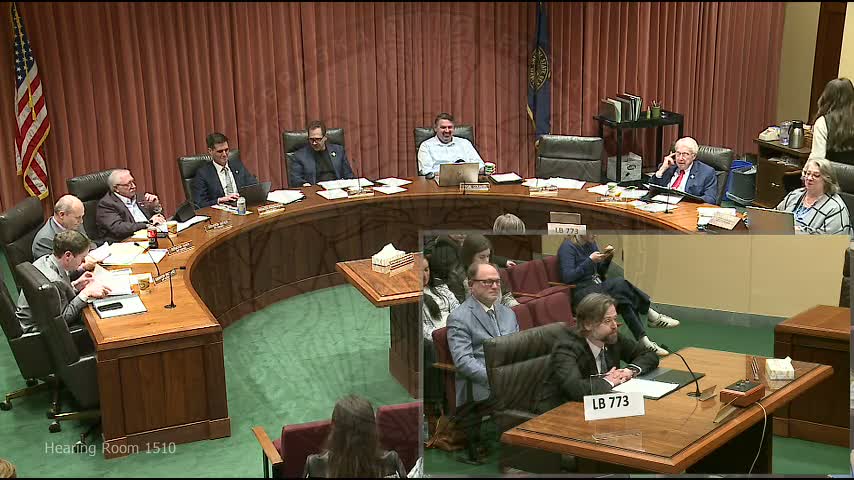
Sen. George Dungan, D‑District 26, told the Health and Human Services Committee on Feb. 9 that LB773 would make permanent Nebraska’s Prenatal Plus targeted case management program, extend services to the sixtieth day postpartum and push reporting requirements through 2034. The program provides case management, nutrition counseling, lactation support and targeted mental‑health referrals for Medicaid‑enrolled pregnant people.
Dungan said Prenatal Plus completed its first year with 68 people connected to targeted case management and that expanding postpartum services would…
Already have an account? Log in
Subscribe to keep reading
Unlock the rest of this article — and every article on Citizen Portal.
- Unlimited articles
- AI-powered breakdowns of topics, speakers, decisions, and budgets
- Instant alerts when your location has a new meeting
- Follow topics and more locations
- 1,000 AI Insights / month, plus AI Chat