
Proposal for 27¢ per‑delivery fee draws opposition over equity and implementation
Get AI-powered insights, summaries, and transcripts
Subscribe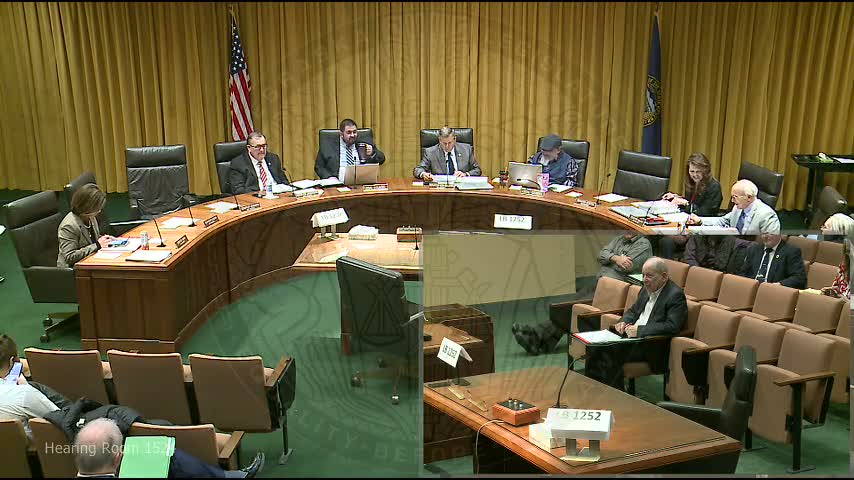
Summary
Sen. Dave Murman’s LB1252 would impose a 27¢ fee on retail deliveries of taxable goods, raising an estimated $27.5 million for Nebraska’s property‑tax credit fund. Testimony from tech, grocery and small‑business representatives warned the flat fee is regressive, may reduce orders and hurt driver earnings; sponsor said he is open to targeted exemptions for homebound or disabled residents.
Lincoln — Senator Dave Murman on Tuesday introduced LB1252, a bill that would add a 27¢ fee to most retail deliveries of tangible personal property subject to Nebraska sales or use tax and direct the revenue to the property tax credit cash fund.
"In short, LB 12 52 would create a 27¢ fee on all motor vehicle delivering at least 1 item of a tangible personal property subject to sales or use tax," Murman said in his opening remarks, noting a fiscal‑note estimate of "over 27 and a half million dollars" in revenue. The sponsor said the fee would help modernize Nebraska’s tax system and reduce reliance on property taxes and that businesses with under $500,000 in annual sales and firms in their first year would be exempt.
Opponents from the tech, grocery and business communities argued the measure would fall hardest on people with low incomes and on rural residents who rely on deliveries for essentials. Hope Ledford, director of civic innovation policy at Chamber of Progress, told the Revenue Committee a flat per‑order tax is "deeply regressive and will hit struggling families the hardest," and cited studies from Colorado and Minnesota suggesting delivery taxes reduced demand and harmed driver earnings.
Tyler St. Clair of DoorDash testified the fee is effectively a new tax that would "create unnecessary financial burdens on Nebraska consumers, merchants, and delivery workers while disproportionately impacting low income residents," and cited company data that a substantial share of Nebraska deliveries go to rural and low‑income communities.
Peter Clarke, representing the grocery industry, said many grocery deliveries serve homebound elderly residents and that a small per‑order fee could compound into meaningful annual costs for frequent users. Rich Otto, speaking for a coalition including the Nebraska Chamber of Commerce and Nebraska Hospitality Association, raised point‑of‑sale and compliance questions, noting curbside pickup and mixed orders could complicate collection.
Senators pressed witnesses on implementation details: whether the fee would be collected from buyers or sellers, how it applies to third‑party delivery platforms, and whether the bill should carry exemptions for prescription or medical deliveries. Murman said the bill language leaves collection to the buyer or seller and that he would be open to amendments for disabled or homebound residents.
The hearing record included one proponent and multiple opponents; the sponsor closed by reiterating openness to narrowly tailored exemptions and by emphasizing that groceries, which are not subject to Nebraska sales tax, are generally excluded from the fee. The committee did not take action at the hearing.
The Revenue Committee will decide whether to advance the measure. If amended, the committee may return with technical clarifications on collection and exemptions.