Revenue panel hears proposal to raise cigarette tax $1 to shore up Medicaid costs
Loading...
Summary
Sen. Tony Sorrentino introduced a $1 per‑pack cigarette tax increase (raising the rate to $1.64) and proposed directing the bulk of the revenue to Medicaid; health groups supported the change as both a prevention tool and a revenue source, while retailers warned of border bleed and lost in‑state sales.
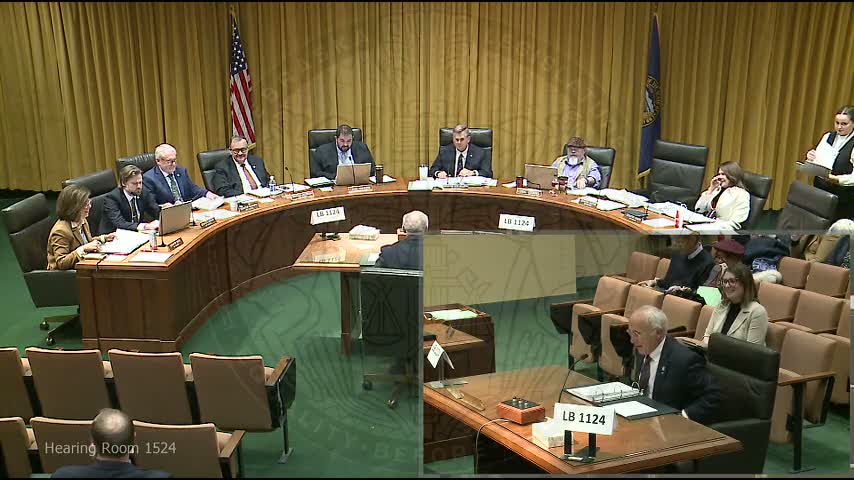
Senator Tony Sorrentino told the Revenue Committee LB1124 would add $1 per pack to Nebraska's cigarette excise tax (raising the tax to $1.64 per 20‑count pack) and dedicate the additional revenue to the state’s health care cash fund for Medicaid to offset smoking‑related costs. Sorrentino and department witnesses cited figures that smoking‑related Medicaid expenses approach $180 million annually, with roughly $80 million borne by the state's general fund; the sponsor framed the change as a logical matching of revenues to expenses and a public‑health strategy because higher tobacco prices have been shown to reduce smoking, especially among youth.
Deputy Medicaid Director Matthew Ahern and public health advocates (the American Lung Association, American Cancer Society and American Heart Association) supported the bill, emphasizing both fiscal benefits and expected reductions in smoking and smoking‑related illnesses if cigarette prices increase.
Industry witnesses and economic consultants warned of cross‑border purchasing and the risk of significant declines in in‑state cigarette sales if Nebraska increases its tax markedly relative to neighboring states; one consultant presented historical examples where higher taxes led to reduced reported in‑state sales and urged caution about relying on excise taxes for stable revenue. Committee questions focused on revenue sustainability, the bill’s public‑health goals, and how much the projected tax increase would offset Medicaid general‑fund pressure.