Get Full Government Meeting Transcripts, Videos, & Alerts Forever!
Proposal would ban separate ACH rent fees, require costs be folded into advertised rent
Summary
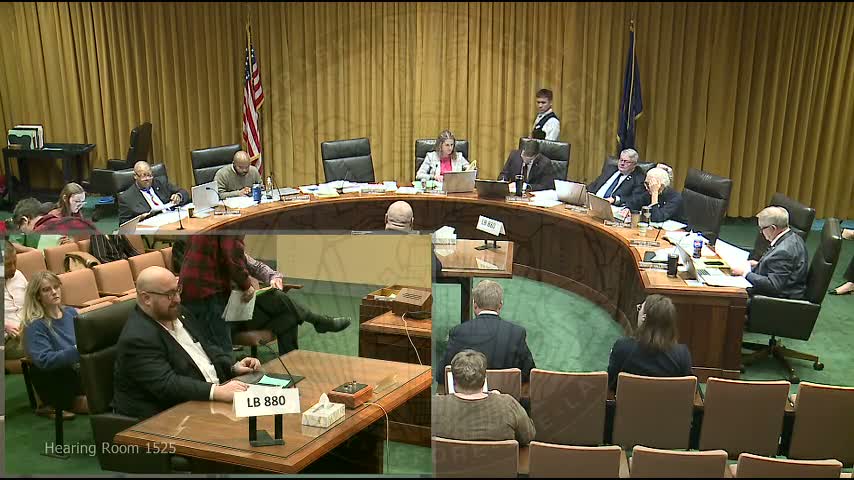
LB880 would bar landlords from charging tenants an extra fee specifically for ACH rent payments and require processing costs to be included in the advertised rent; supporters called it a consumer-transparency fix, opponents said it shifts costs or conflicts with industry practices.
Senator Duxi Gureka introduced LB880 to prohibit landlords from charging tenants a separate extra fee for rent payments made by automated clearing-house (ACH) transfer; the bill would require any processing costs to be incorporated into the stated monthly rent.
Proponents including Legal Aid of Nebraska and housing-service groups said ACH convenience fees can be modest…
Already have an account? Log in
Subscribe to keep reading
Unlock the rest of this article — and every article on Citizen Portal.
- Unlimited articles
- AI-powered breakdowns of topics, speakers, decisions, and budgets
- Instant alerts when your location has a new meeting
- Follow topics and more locations
- 1,000 AI Insights / month, plus AI Chat