Get Full Government Meeting Transcripts, Videos, & Alerts Forever!
Get email alerts on the Water Management topic
No spam. Unsubscribe anytime.
Lone Star Groundwater Conservation District briefs township on groundwater planning, subsidence and conservation
Summary
Sarah Kubo of the Lone Star Groundwater Conservation District told the Woodlands Township board about regional joint-planning under Texas Water Code Chapter 36, the maximum-available-groundwater (MAG) planning concept, subsidence risks and local conservation tools such as spacing rules and hydrogeologic impact analyses.
The Lone Star Groundwater Conservation District presented to the Woodlands Township on Sept. 25 about groundwater planning, subsidence risks and local regulatory tools.
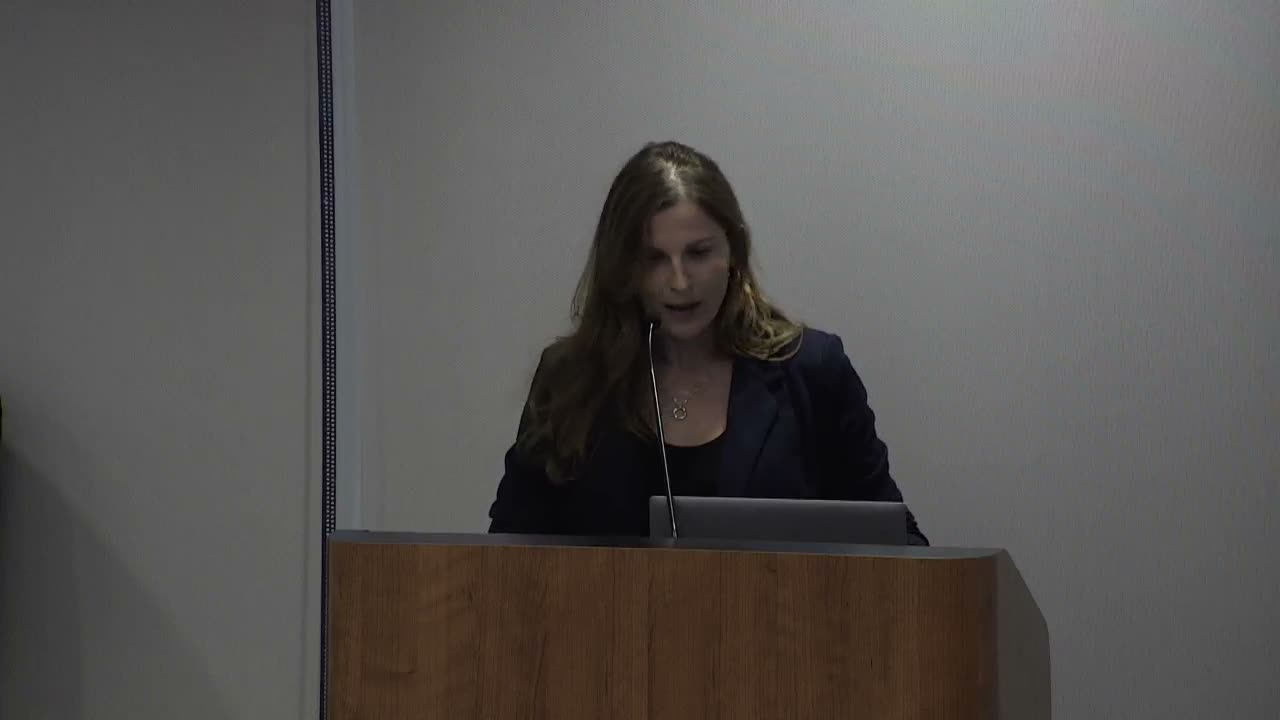
"We are a political subdivision... with the purpose of preserving, conserving, protecting, your groundwater resources in the county while also balancing your private property rights," said Sarah Kubo, general manager of the Lone Star GCD, summarizing the district's mandate under state law.
Kubo explained joint regional planning (Groundwater Management Area 14) and the concept of maximum available groundwater (MAG) used for 50-year planning under the Texas Water Development Board. She noted the district includes several aquifer units (Chico, Evangeline, Jasper and the Catahoula) and that the state’s desired future condition currently focuses on the Gulf Coast aquifer while excluding Catahoula in the MAG calculation.
Kubo told the board that growth, drought and neighboring-county pumping (notably Harris County) affect local groundwater levels and subsidence, and that the district uses spacing rules, hydrogeologic impact analyses and third-party technical reviews to reduce interference between wells and manage subsidence risks.
Why it matters: Montgomery County has a prolific but stressed aquifer system; the district's planning affects future well permitting, infrastructure costs and long-term water availability for residents, developers and MUDs.
What the board did: the board accepted the report and thanked the district; directors asked about opportunities for collaboration and how the township can support conservation messaging.
What’s next: the district offered to continue engagement and the board indicated it will consider further collaboration on conservation outreach and drought-contingency planning.