
Council votes to put unified charter on ballot after lengthy, contentious debate
Get AI-powered insights, summaries, and transcripts
Subscribe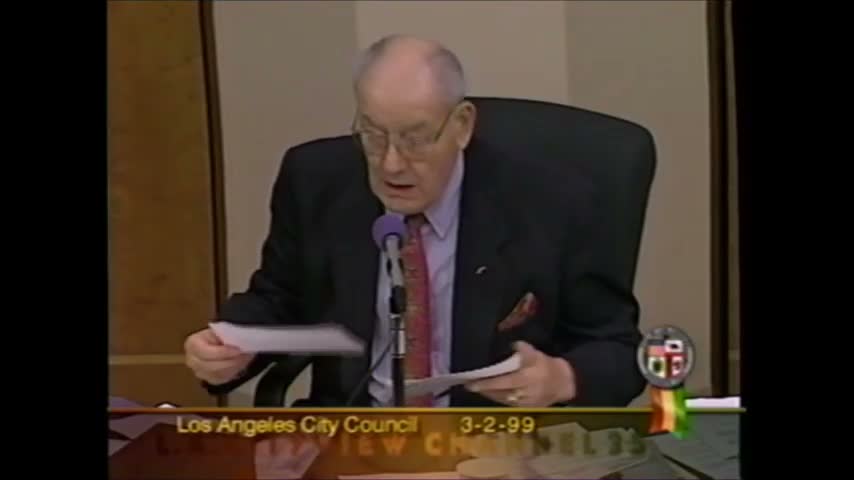
Summary
After hours of public comment and council debate over appeals, mayoral powers and neighborhood councils, the Los Angeles City Council voted 13–1 to place a unified charter on the ballot, directing staff to file the measure subject to final meet-and-confer steps.
The Los Angeles City Council voted 13–1 to place a proposed unified city charter on the ballot after an extended public hearing and council debate that covered planning appeals, mayoral authority, neighborhood councils and implementation timelines.
The measure would create area planning commissions, set limits on the number of appeals for certain quasi‑judicial land‑use decisions, establish a Department of Neighborhood Empowerment with certified neighborhood councils and adjust the process for appointing and evaluating several senior managers. The charter, as discussed in chambers, sets an implementation anchor date of July 1, 2000, in the materials presented to the council.
Public speakers and interest groups ran the gamut. Ken Brazell, representing firefighters, told the council that labor negotiations had unresolved items and asked for more technical corrections and clarity before a final vote; "We have 5 outstanding issues that are at the bargaining table," he said during public comment. Other residents and civic groups focused on council size, minority representation and potential confusion for voters if competing expansion options are presented on the ballot.
Council members debated several specific concerns at length: whether an area planning commission system would curtail the public’s right to appeal land-use decisions to council; how neighborhood councils would be certified and funded; and whether the charter would concentrate too much operational authority in the mayor’s office. On the appeals question, city staff explained the charter intends to permit the council by ordinance to determine whether appeals from area planning commissions can reach the city planning commission or the council itself, but cautioned that the unified charter includes language limiting multiple levels of administrative appeal for many quasi‑judicial matters.
Mister Savornich, speaking in favor of sending the question to voters while urging a vigorous public debate, said the council should let the electorate decide but that commissioners and staff will have much work to do on implementation if the measure passes: "So today, I am going to vote to put this ballot measure before the people of the city of Los Angeles... but after I put it on the ballot, I am going to encourage everyone to vote against it," he told colleagues, underscoring that some members planned to place the measure before voters while campaigning against it in the coming months.
After council members moved to cut off further debate, the vote to put the charter measure on the ballot was taken and recorded as 13 ayes and 1 no. The council instructed staff to file the measure with the city clerk and to proceed with the limited administrative steps tied to the motion (meet‑and‑confer items referenced during the session). The clerk and city attorney offices were asked to work on the implementing ordinances and to prepare the materials necessary if voters approve the charter.
Next steps: the charter will be filed as directed; if the measure is placed on the ballot, the council and city staff will need to draft a substantial set of implementing ordinances and procedures in the months that follow.