
Bill would give officers notice and appeal rights before placement on Brady/Giglio lists; prosecutors warn of conflict with disclosure duties
Get AI-powered insights, summaries, and transcripts
Subscribe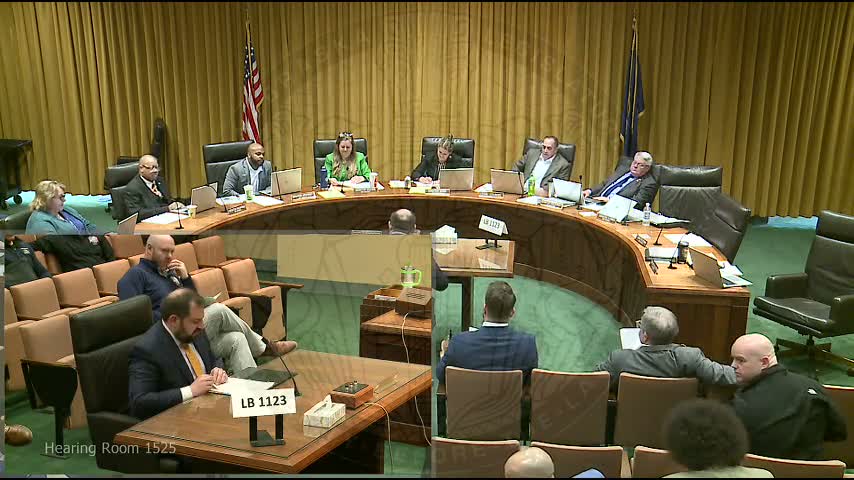
Summary
LB1123 would require written policies, notice, and a reconsideration process before prosecutors or agencies place officers on Brady/Giglio disclosure lists and allow confidential judicial review and limited employment protections; law-enforcement unions backed the change while county attorneys and defense groups said it risks hampering prosecutors' constitutional disclosure duties.
Senator Elliot Bostar introduced LB1123 to create procedural protections for officers before being designated on Brady/Giglio disclosure lists used by prosecutors to identify witnesses whose credibility might be impeached. The bill would require prosecuting agencies that maintain such lists to adopt written criteria for placement, provide notice and an opportunity for officers to respond, permit a judicial in-camera reconsideration process, and add anti-retaliation employment protections.
Supporters argued the current informal practices let prosecutors label officers as Brady/Giglio witnesses without notice or meaningful review, which can end careers. "This isn't about avoiding mistakes, this is about ensuring fairness and due process when an officer's actions are called into question," Patrick Dempsey of the Omaha Police Officers Association said. The State Troopers Association and local police unions also urged due-process safeguards and said the bill provides a structured, confidential path to correct mistaken or arbitrary listings.
County attorneys and defense advocates opposed the bill as written. The Nebraska County Attorney Association said the measure could place prosecutors between constitutional duties and new statutory constraints: "Prosecutors risk having a conviction overturned, a finding of prosecutorial misconduct, and face consequences from the counsel for discipline," a representative testified. Defense groups and the ACLU warned the bill could create procedural obstacles to constitutional Brady disclosures and suggested narrower fixes instead of a broad statutory preemption.
The committee heard detailed examples from Omaha and other jurisdictions about how lists are created and used in practice, and members debated whether the bill would chill legitimate disclosures or instead provide necessary accountability and uniform procedures across the state.
Ending: The sponsor indicated willingness to work with county attorneys and stakeholders to refine language. No committee vote was recorded at the hearing; senators asked for follow-up on drafting to reconcile prosecutorial duties with proposed officer protections.