Missouri pushes science‑of‑reading training as literacy gains and teacher pay debates intensify
Loading...
Summary
DESE highlighted progress on literacy and teacher training — nearly half of K–8 teachers have science‑of‑reading training — while committee members pressed on career‑ladder uptake, the teacher baseline $40,000 minimum and program funding lapses tied to local matches.
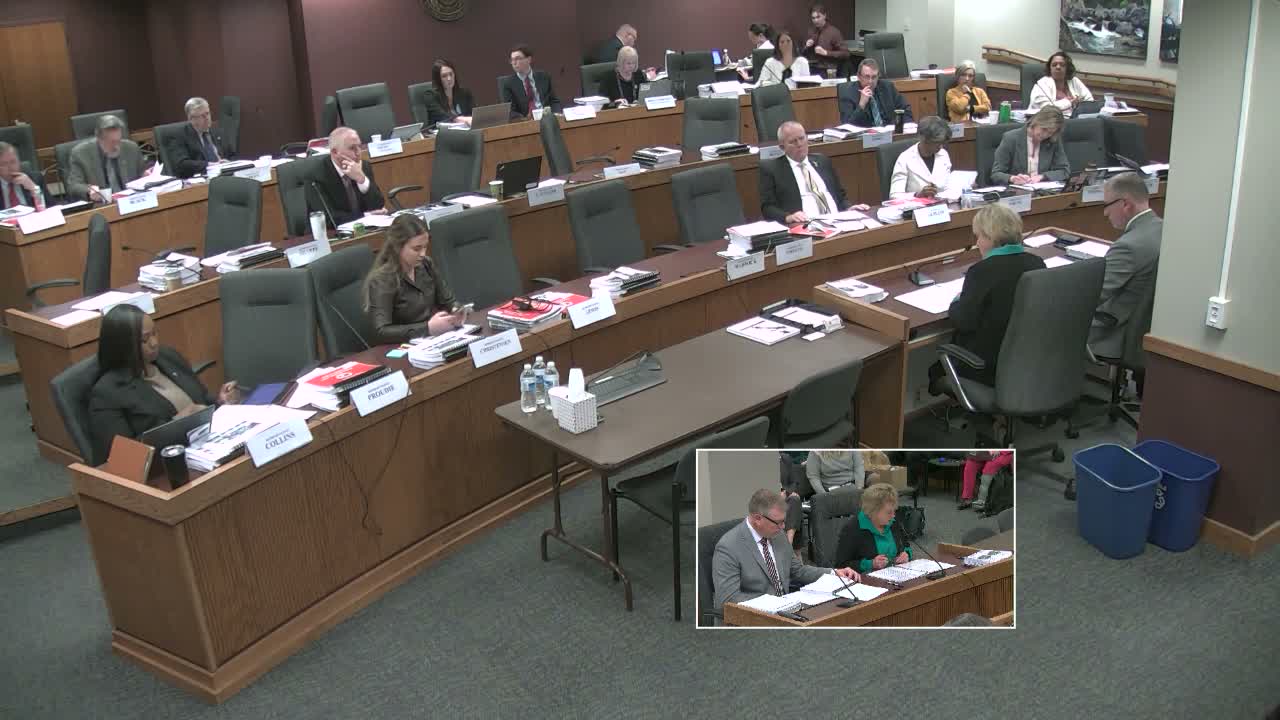
Missouri education officials told the House budget committee that literacy reform and teacher recruitment programs remain central to DESE’s FY27 strategy, even as lawmakers probe sustainability and local match pressures.
Commissioner Carla Eslinger highlighted gains since the state began prioritizing evidence‑based reading: "we're entering our fourth year and nearly 50% of our K–8 teachers are trained in the science of reading," she said, describing a portfolio of K–3 screeners, LETRS (Language Essentials for Teachers of Reading and Spelling) professional development, dyslexia training and literacy coaches. Department staff displayed early outcomes from limited pilots and noted the state recently won a multi‑year federal Comprehensive Literacy State Development grant to accelerate training and intervention.
On teacher compensation, DESE staff reviewed the Teacher Baseline Salary grant — statewide assistance intended to raise minimum starting pay to $40,000 — and the Career Ladder supplemental program that offers salary supplements in exchange for extra duties and tutoring (district match typically required). Staff said the Career Ladder program continues to grow but lapses occur because some districts cannot afford the 40% local match; the department projects fluctuating participation (2,700–3,250 districts/participants in coming years by their estimates) and cautioned that local budget pressures and state funding choices affect take‑up.
Members questioned whether state grants create long‑term reliance: a recurring theme was whether the state should phase grants down as districts reach baseline salary goals, or whether state aid should be expected indefinitely. DESE staff said the policy intent is to lift base pay and that many districts have adopted changes to salary schedules in response, but the department will supply more district‑level data to show where grants are a bridge versus ongoing support.
DESE also described professional pipelines and retention work: the Missouri Teacher Development System (MTDS) and Missouri Leadership Development System (MLDS) family of programs, which the department says improve retention (DESE cited MTDS participants’ retention at roughly 90% versus 63% among peers in some snapshots) and give principals and teachers tools to improve classroom outcomes.
What’s next: Committee members asked for more precise district‑level facts about which districts still rely on state grants, where local match is the barrier, and the effects of teacher baseline and career‑ladder funds on salary compression and retention. DESE committed to follow up with the requested breakdowns.