Get Full Government Meeting Transcripts, Videos, & Alerts Forever!
State auditor warns Hooper City planners that public infrastructure districts create long-term taxpayer risks
Summary
A state auditor told Hooper City Planning that public infrastructure districts (PIDs) can create persistent tax lines, complicate municipal finances, and lack consistent reporting; the auditor cited Colville/Walhalla bankruptcy, gave local examples, and urged legislative and local policy fixes.
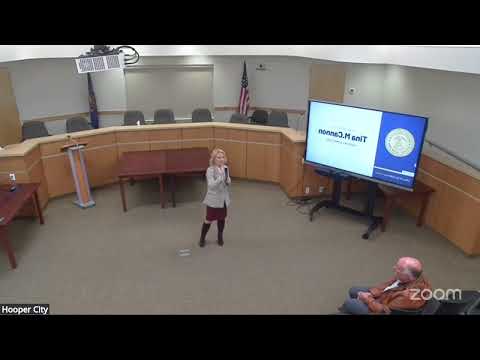
At a Hooper City Planning meeting, the state auditor (name not specified) warned that public infrastructure districts, a financing tool used for development, can create long-running tax obligations that risk pricing out buyers and tying up municipal borrowing capacity.
The auditor said PID levies can become an extra, long-term line on property tax bills and cited one example of a homeowner charge of "$325 per month." She told planners that under current law PID levies may be allowed to rise unchecked because state reporting and statutory limits are not enforcing a hard cap. "You will price yourself out" of a home, she said, if buyers are already stretching to afford a mortgage and then face an added PID tax line.
The presentation highlighted a recent audit finding. The auditor said the city of Colville had not included a PID project called Walhalla in its financial statements; the state auditor's office alerted the city…
Already have an account? Log in
Subscribe to keep reading
Unlock the rest of this article — and every article on Citizen Portal.
- Unlimited articles
- AI-powered breakdowns of topics, speakers, decisions, and budgets
- Instant alerts when your location has a new meeting
- Follow topics and more locations
- 1,000 AI Insights / month, plus AI Chat