Get Full Government Meeting Transcripts, Videos, & Alerts Forever!
Get email alerts on the Cityhall Rental Policy topic
No spam. Unsubscribe anytime.
Council reviews draft City Hall rental policy; favors resident preference and discretionary partner waivers
Summary
Council reviewed a draft policy to rent City Hall spaces (council chambers, Fishbowl conference room, multipurpose room), discussed resident vs. nonresident fees, nonprofit/partner waivers, access controls and AV service fees, and generally supported resident preference while asking staff to return with refined rules.
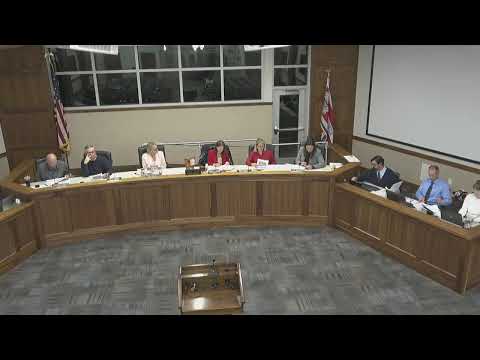
Bountiful — The Bountiful City Council reviewed a draft City Hall room-rental policy on Tuesday, discussing fee categories, access controls and limits on recurring nonprofit use as staff sought direction to implement public rentals in the renovated building.
Gary Hill outlined the staff proposal to offer four rentable spaces — the council chambers, a basement conference room known as the ‘‘Fishbowl,’’ and a multipurpose room that can be subdivided — with recommended fees charged in half-day blocks. Hill asked whether the council supported differential resident and nonresident rates; several council members said they favored resident preference and recommended widening the fee gap for nonresidents.
Council members debated how to treat nonprofits and regional partners. One council member noted groups such as South Davis Communities That Care sometimes rotate among nearby city halls and suggested the city consider whether to charge them; Hill said staff recommend limiting recurring club or ongoing meeting use so the facility is not monopolized, but also retaining discretion to waive fees for governmental partners or educational uses. The mayor said the city has hosted regional bodies such as the Wasatch Front Regional Council in the past and that those uses benefit residents.
On operations, Hill described door programming to provide time-limited access for renters, the option to issue fobs, and a plan to avoid routinely handing out physical keys. Staff proposed that AV equipment not be included in basic rentals and that an additional fee would apply if on-site assistance for setup is needed. Hill confirmed tables and chairs would be included in the basic room rental.
Council members also discussed acceptable uses and whether the city should host birthday parties or primarily educational and civic events; several members said they preferred prioritizing educational and municipal uses so the facility does not undercut private event centers. One council member shared a personal example of using a police department facility for an annual family gathering to illustrate community value in allowing municipal spaces to be used by residents.
What happens next: Staff will refine the draft fee schedule and policy details and return to the council with recommended language that clarifies recurring use, partner waivers, security and AV-service fees.