Get Full Government Meeting Transcripts, Videos, & Alerts Forever!
Get email alerts on the Radioactive Transport topic
No spam. Unsubscribe anytime.
Officials briefed on routine radioactive shipments through Wyoming; committee presses for local preparedness and documentation
Summary
Homeland Security and Highway Patrol outlined routine radioactive shipments (WIPP trucks, naval spent fuel, upcoming high‑burnup rail tests), contingency planning and permit fees; public witnesses raised concerns about cask inspections and sealing failures and asked for documentation.
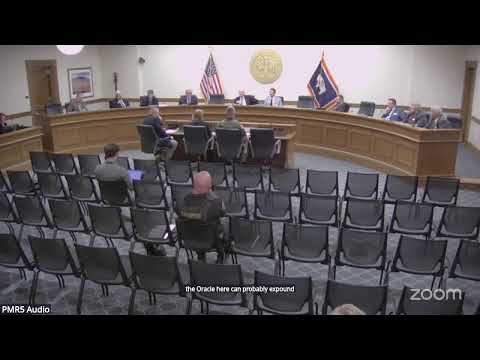
State emergency managers and the Wyoming Highway Patrol told the Transportation Committee that radioactive materials routinely transit Wyoming and that the state maintains response capacity through regional emergency response teams and coordination with national lab resources.
Dylan Connor, radiological program manager, said roughly 360 WIPP transuranic waste truck shipments (from Idaho National Lab to Carlsbad, N.M.) travel through Wyoming annually on a rolling schedule and are tracked; Carlsbad Field Office provides preplanning, weather avoidance and designated pull‑over locations if stops are necessary. He also described naval spent‑fuel rail shipments (DOD program with limited public advance notice) and an upcoming DOE/NRC‑approved “Atlas” rail car dry run followed by a planned 2027 shipment of a high‑burnup research cask bound for INL for testing.
Committee members asked about routing, security, derailment contingencies, and whether the state can refuse shipments. Homeland Security said DOE/DOD/ NRC have statutory roles and rapid‑response teams (regional Radiological Assistance Program teams) that would assist; Wyoming receives notification for some advanced‑notice shipments (10 days) and the state has rulemaking and permitting for overweight/oversize and radioactive‑transport permits. Ports of entry reported issuing 298 radioactive transport permits in FY25 (727 casks) and collecting approximately $327,150 in fees.
Public witness Kathy Klein raised concerns citing Department of Defense/DOE inspection reports that referenced cask closure/weld issues and urged the committee to receive those documents; committee asked her to submit the reports to LSO for distribution. Highway Patrol described its operational role as scene security and triage, deferring radiological mitigation to Homeland Security and national lab assets; for intact loads a CVSA level‑6 inspector would check the commercial vehicle before release.
The committee asked Homeland Security and YDOT to follow up with additional materials, including documented inspection reports and bridge/route analyses for oversized shipments.