Lifetime Citizen Portal Access — AI Briefings, Alerts & Unlimited Follows
Board of Adjustment approves dozens of home‑sharing permits with conditions, continues several for compliance checks
Loading...
Summary
The Board of Adjustment approved multiple special‑exception home‑sharing permits and other variances, generally imposing guest caps, quiet hours and parking limits; several applications were continued after staff identified prior rental activity or unresolved neighborhood concerns, notably a pool and parking issue at 6200 N Allison Drive.
The Board of Adjustment met in January and approved a large slate of special‑exception permits for home sharing and a handful of variances, while continuing several applications where staff records or neighborhood objections raised compliance or safety questions.
Chair (unnamed) opened the meeting and the board first received the minutes of the Dec. 4, 2025 meeting. After announcing several staff‑initiated continuances, the board heard a mix of standalone variance requests and more than a dozen home‑sharing applications and renewals.
Valerie Klein asked the board to renew a medical‑hardship special exception to allow a mobile home for a family member at 11509 SE 104th Street. Staff confirmed physician documentation and the board approved a three‑year renewal for case 16112.
Bridal Fitzsimmons, representing Fitzsimmons Architects, described variances for a new mixed‑use development at 1111 Classen Drive (case 16106). Staff noted the downtown design commission had recommended approval; the board approved the variances as meeting the statutory requirements.
The bulk of the meeting focused on home‑sharing permits. For most applications the board applied a consistent set of conditions: guest limits tied to permanent bedroom counts (commonly reducing previously requested maxima), quiet hours of 9 p.m.–8 a.m., and restrictions on on‑street parking during quiet hours or an explicit car‑maximum for the site. Where applicants requested renewals and had a documented history of compliant operation, the board typically granted terms of one to three years as appropriate.
Several applicants had been listed or rented before a final approval was issued. In those cases staff used a new rental‑activity database to confirm prior listings; the board either continued the case so the applicant could remove listings and come back into compliance, or imposed an initial one‑year term to monitor operations. For example, Austin Kane (case 16111) told the board he had listed a property while the application was pending; he agreed to a continuance and the board continued that case to the March meeting.
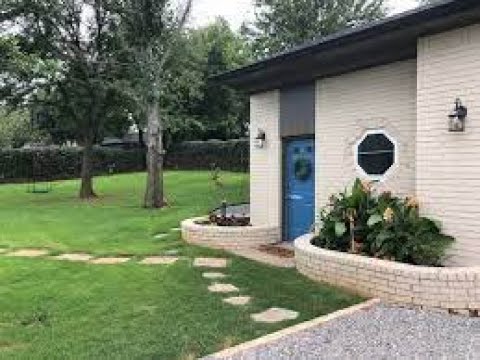
A contested neighborhood exchange occurred over case 16132 at 6200 North Allison Drive. Neighbors, including Greg Brensman, president of the North Coronado Heights Neighborhood Association, and Rick Harris, who lives next door, raised concerns about a small in‑ground pool’s condition and the property’s limited off‑street parking at a T‑intersection. Harris told the board he feared the pool was not being maintained and that “I think it’s very dangerous… I don’t think they’re gonna do daily maintenance,” and asked how the board would ensure safety and enforcement. Staff reminded the audience of the board’s enforcement and complaint pathways and explained the ordinance’s 10% per‑block limit on special exceptions. Applicant Lisette Alvarado agreed to conditions the board commonly imposes — no on‑street parking, a four‑car maximum (two in garage, two in drive), quiet hours 9 p.m.–8 a.m., noise monitoring and exterior cameras — and the board approved case 16132 for a one‑year initial term so the neighborhood and staff could review operations.
Board members emphasized enforcement tools available to neighbors and staff: complaints may be submitted to the city action center (and police when incidents occur after hours), code enforcement can follow up on operating‑without‑a‑permit allegations, and renewals can be denied for repeated violations. Staff also described that when a block has reached the 10% cap for special exceptions, new applications may be rejected or processed in filing order.
Votes at a glance: the board approved the medical‑hardship renewal (case 16112), variances for the downtown project (case 16106), and approvals or renewals for many home‑sharing cases with site‑specific modifications (guest limits, quiet hours, parking limits, and 1–3 year terms). Several cases were continued to future meetings where staff records showed unpermitted activity or where applicants requested time to comply (for example, case 16111 continued to 03/05/2026; case 16134 continued to 06/18/2026; case 16116 continued to 10/01/2026).
The meeting closed after final items and a brief citizens‑to‑be‑heard period. The board adjourned after roughly three hours of hearings and votes.