Get Full Government Meeting Transcripts, Videos, & Alerts Forever!
Get email alerts on the Public Safety Drink Spiking topic
No spam. Unsubscribe anytime.
Tempe introduces first-read ordinance requiring drink‑spiking test kits, schedules second hearing Feb. 5
Summary
Councilmember Keating introduced a first-reading ordinance requiring licensed late-night venues to keep drink‑spiking test kits and offering incentives, while businesses urged revisions on liability and open‑container language; council scheduled a second public hearing for Feb. 5, 2026.
Councilmember Keating introduced a first‑reading ordinance intended to deter drink spiking by requiring certain alcohol‑serving establishments in Tempe to maintain on‑site drink‑spiking test kits and to promote voluntary use of drink covers.
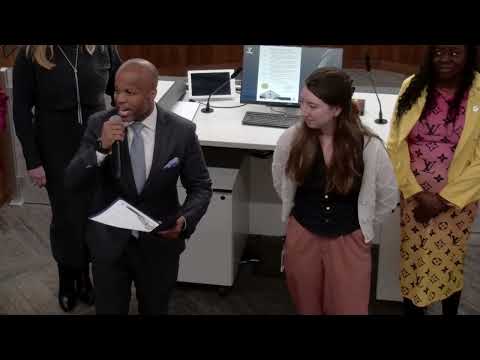
Keating, chair of the council subcommittee on the issue, described a months‑long stakeholder process and said the ordinance’s sole mandatory operating requirement is an inventory of testing kits. “Drink spiking testing kits must be available with a minimum of 10 kits,” he told the council, while describing a package of incentives — including a 25% reduction on the city’s annual liquor license tax for participating businesses — and partner grants to offset costs.
Tempe Police voiced support. Officer Jessica Els, a former Special Victims Unit detective, said the kits would help preserve perishable evidence: “This ordinance will essentially allow those kits to be available right away, and that’s going to have our evidence preservation right there,” she said, adding that earlier access could increase reporting and improve investigations.
Speakers and stakeholders were sharply split during the public testimony that followed. Supporters — including student leaders, nonprofits and vendors that offered in‑kind donations — said underreporting of drink spiking makes prevention and rapid testing essential. Donya Sherman of NoNap/NoMore pledged 8,600 tests and in‑kind support; Nathan Edelbeck, an ASU student‑government leader, said many younger patrons would prefer venues that offer protections.
Business groups and restaurant owners pushed back on several provisions. Don Isaacson of the Arizona Licensed Beverage Association said the association “is in opposition to the draft as it stands now,” arguing a voluntary program could work and flagging operational problems with allowing patrons to bring their own covered cups. Multiple owners warned that the ordinance’s draft language about civil or criminal liability overstates what a city can change under state law and asked staff to clarify or remove that clause.
Councilmembers asked detailed questions about kit sensitivity, how many substances kits screen for, police distribution and whether kits would be given free to the public from police stations. Keating and staff said the city will define approved kit types, refine language on exemptions and liability and continue stakeholder meetings; the city also plans an education campaign and coordination with Arizona State University.
The council did not vote on the ordinance. Mayor Woods announced a second and final public hearing is scheduled for Feb. 5, 2026, and Keating said he expects revisions based on tonight’s feedback.