Ypsilanti auditors give city an unmodified opinion and note healthy reserves
Loading...
Summary
Independent auditors gave the City of Ypsilanti an unmodified (clean) audit opinion for the fiscal year ended June 30, 2025, noted a general‑fund reserve ratio near 75% and discussed pension funding trends and fund‑balance considerations for future budgeting.
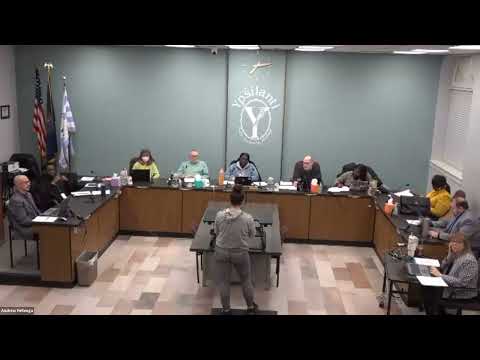
Independent auditors reported a clean financial audit for the City of Ypsilanti and walked council through the fiscal highlights and choices ahead.
Representatives from Clark Schaefer Hackett said they issued an unmodified (also called “clean”) opinion on the city’s annual financial statements for the year ended June 30, 2025. The audit team said there were no disagreements with management, no difficulties obtaining records, and successful implementation of the new GASB 101 accounting standard.
The auditors and finance staff reviewed five‑year revenue and expenditure trends, noting that property tax revenues have grown and that, overall, revenues exceeded expenditures. Staff identified a budget‑stabilization fund balance that the auditors said stood at about $3.3 million as of year‑end; the auditors presented a commonly used reserve ratio (fund balance divided by annual general fund revenues) at roughly 75% for 2025. The Government Finance Officers Association generally recommends a minimum reserve of about two months (roughly 15–16%).
On pension funding, auditors reported the citywide pension plan funding at roughly 105–106% as of June 30, 2025, and police and fire pension funding at about 68%, noting market volatility affects those ratios from year to year. Auditors suggested the council consider reserve policy, investment strategy and insurance choices as part of long‑term financial planning.
Council members asked whether the numbers indicate a continuing trend and whether restricted or committed portions of the fund balance should be treated as available. Auditors said about $5.5 million of the fund balance is committed or assigned for specific purposes (including a $3.3 million budget stabilization allocation on the statements), and recommended council review the details in the financial statements for line‑item clarity.
The audit presentation concluded with a discussion about major‑streets and pension liabilities, and a reminder that some funding streams (grants processed on a reimbursement basis) rely on general‑fund liquidity to advance projects. Council thanked the auditors for the presentation and opened the floor to follow‑up questions about investments and reserve policy.