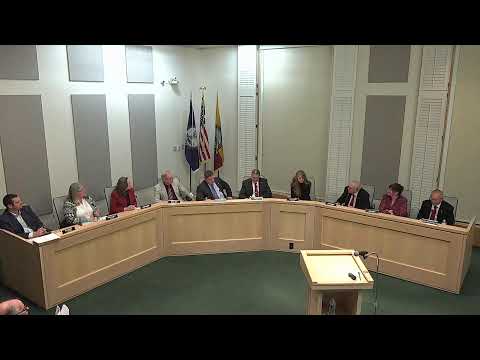
Colonial Behavioral Health outlines services, new state‑funded crisis center for region
Loading...
Summary
David Coe, executive director of Colonial Behavioral Health, told the Poquoson City Council the regional nonprofit serves roughly 135 Poquoson residents annually across crisis, outpatient, developmental‑disability and prevention programs and is building a state‑funded Center for Support and Wellness to open this fall.
David Coe, executive director of Colonial Behavioral Health, told the Poquoson City Council the regional community services board serves about 135 city residents per year and provides a range of services including emergency and mobile crisis response, outpatient counseling, psychiatry and developmental‑disability supports.
Cope said roughly one‑fifth of those served are children and adolescents, about two‑thirds are adults and seniors comprise about 12 percent. He said caseloads have grown more complex since the COVID‑19 pandemic and the organization has prioritized trauma‑informed care and prevention services.
Coastal Behavioral Health also operates residential group homes and developmental‑disability day‑support programs that Poquoson residents can access. Coe highlighted outreach work such as booths at the Poquoson Seafood Festival and distribution of disposal/disposal‑education bags for drug take‑back events coordinated with local law enforcement.
On access and crisis capacity, Coe described a new state‑funded Center for Support and Wellness under construction with structural steel in place; he said the center will provide a combination of recliner capacity and short‑term residential beds, a CIT assessment center for short custody intake from law enforcement, and mobile crisis capacity built to reduce transports to distant state hospitals.
Coastal Behavioral Health cited workforce and funding challenges, noting many developmental‑disability services rely heavily on Medicaid and that access to state hospital beds in the region is limited. Coe said the center is funded through a state initiative and expects to open in September or October.
Council members asked for clarification on program acronyms (MH = mental health; SUD = substance‑use disorder; ID/DD = intellectual/developmental disabilities) and about dates for drug take‑back events; Coe said take‑backs are publicized through law enforcement and community partners and committed to provide specific dates and contact information to council staff.
Next steps: Coe invited council members and residents to tour Colonial Behavioral Health facilities and provided the organization’s website and contact information for follow‑up questions.