Get AI Briefings, Transcripts & Alerts on Local & National Government Meetings — Forever.
Hollister says drinking water 'safe' after chromium‑6 tests near reporting threshold; city outlines blending plan and more testing
Loading...
Summary
Hollister staff told the council that routine testing from March–December 2025 found chromium‑6 at or near the 10 ppb state notification level in two city wells (one at about 13 ppb); the city said it will pursue blending with partner surface‑water supplies, invite third‑party review and refine public notification messaging.
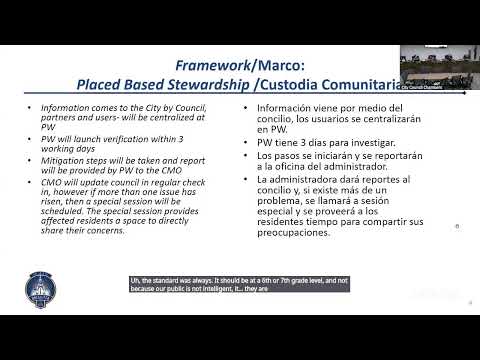
City officials told the Hollister City Council on Feb. 9 that routine sampling completed March–December 2025 showed chromium‑6 at or slightly above the state notification level in two city wells, triggering a public‑notification letter. City Manager Tara Cortez and Public Works Director Javier Hernandez emphasized that the city’s current public message is that "water is safe to drink," while staff finalize mitigation steps and coordinate with state regulators.
Hernandez said one tested well measured roughly 13 parts per billion, another around 11–12 ppb; the state threshold for requiring public notification is 10 ppb. He described a draft San Benito urban water supply and treatment agreement with Sunnyslope and the San Benito County Water District that would blend treated surface water with well water to dilute chromium‑6 concentrations. That plan will be coordinated with the State Department of Drinking Water before implementation.
Councilmembers asked why the results were reported now. Staff explained the tests were part of a year‑long sampling program (March–December 2025) to avoid treating outliers as trends; results were compiled and analyzed after the testing window. Hernandez said the city has been testing quarterly and that the state can require more frequent sampling when warranted.
Members asked for third‑party verification and historical context. Councilmember Resendiz urged staff to search for earlier environmental studies and to bring independent testing or a non‑biased expert to reassure the public. Staff agreed to obtain historical data, consult the state, and invite West Hills Treatment Facility operators and other technical experts to future meetings.
Council also discussed how the results are mapped and communicated. Staff noted three city wells were shown on the map (five total wells including partner wells), two of which required notification; mayor and council directed staff to ensure public messaging is clear, accessible and bilingual, emphasizing the city’s assessment that tap water remains safe while investigations continue.
Next steps: staff will pursue blending arrangements with partner agencies, coordinate with the state regulator, arrange third‑party verification if needed, and provide follow‑up reports and a study session on timing, historic test results and mitigation by the council’s March meeting.