Get Full Government Meeting Transcripts, Videos, & Alerts Forever!
Get email alerts on the Health Insurance topic
No spam. Unsubscribe anytime.
Camdenton R‑III board told employee health premiums could rise about 9.6%; staff to recommend path March 2
Summary
Board heard that participation in the OSBA consortium for staff health insurance is projecting a 9.55% premium increase for 2026–27; district staff said they plan to continue paying 100% of employee premiums and will recommend a plan level to the board at its March 2 meeting.
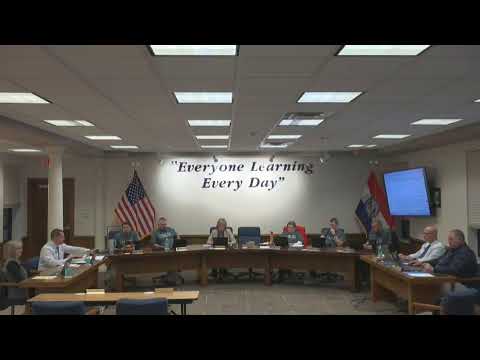
At its Feb. 9 meeting the Camdenton R‑III School District board was briefed on proposed health‑insurance rates for the 2026–27 contract year and told that the district’s participation in the Missouri OSBA consortium is expected to produce a 9.55% increase in premiums.
Doctor Thompson, introducing the topic, said staff were not asking the board to decide that night but intended to return with a formal recommendation at the March 2 board meeting. Presenters from the district’s benefits advisers (named in the agenda as Dave Von Gutten, Randy Lucanati and Patrick McGrath) explained the projected impact across several plan options.
The board was given illustrative totals: keeping the current $1,500 deductible and benefit structure would raise the district’s employer cost by roughly $60 per employee per month; with 641 active employees that was presented as about a $460,000 annual increase. Moving the district benefit to a $2,500 deductible would lower the district’s per‑employee monthly increase (presenters cited roughly $30.34) and was projected to reduce the district’s additional annual cost to about $188,000 in the scenario discussed.
Advisers also explained employees would retain the option to "buy up" to richer plans by paying the difference themselves; the board heard that the program’s design allows that flexibility so individuals can choose a lower deductible or a higher‑tier plan if they prefer and can pay the buy‑up cost. The advisers noted the OSBA pool’s administrative overhead was reported to be low, and market comparables from nearby districts produced similar price ranges.
Board members asked about sustainability and recruitment implications if the district reduced its level of board‑paid benefits. Doctor Thompson emphasized the district’s preference to continue funding 100% of employee premiums to support recruitment and retention, while acknowledging that budget constraints may require choosing a different deductible or plan configuration.
No formal vote was taken. Staff and the benefits advisers were asked to prepare a recommendation that includes projected district budget impacts and options for board action on March 2.