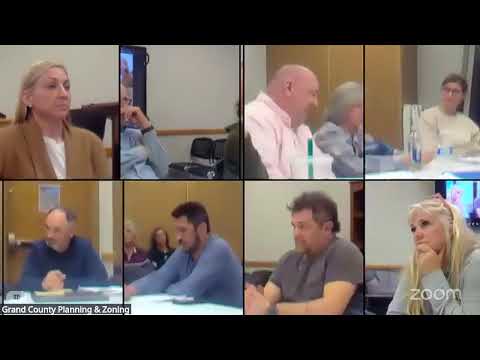
Planning commission weighs water‑preservation chapter; asks staff to coordinate protections and report after Feb. 14 compact deadline
Loading...
Summary
Commissioners reviewed a draft water preservation element required by the state, debated whether it should focus on demand management or include supply/infrastructure (Cisco, Thompson Springs, Colorado River), and asked staff to coordinate with agencies and return after regional Colorado River negotiations conclude.
The Grand County Planning & Zoning Commission on Feb. 9 reviewed a draft water preservation chapter the state requires counties to adopt. Staff summarized four focus areas drawn from state guidance: effects of permitted development on water demand and infrastructure; methods to reduce per‑capita demand for future development; demand‑reduction for existing development; and operational changes to eliminate waste.
Commissioners debated whether the chapter should remain narrowly focused on conservation and demand management or also include references to supply‑side infrastructure and protections for the county's two sole‑source aquifers (the Glen Canyon and Castle Valley aquifers). One commissioner urged adding aquifer protection language; another raised concern that some paragraphs describing new infrastructure could be read as proposals to develop new water sources rather than documenting existing conditions.
Brian provided an update on regional Colorado River negotiations and the Compact‑related process, noting the states’ deadline to propose alternatives was Feb. 14 and that litigation was a possible next step. "The final deadline is February 14," he said, adding that staff will brief the commission after that date on outcomes and implications for local planning.
Commissioners asked staff to: coordinate the chapter with local water entities including the Grand County Water Conservancy District, clarify the distinction between conservation (demand‑side) and preservation or supply projects, and add targeted protections for the county's sole‑source aquifers where the county has jurisdiction over private lands. Staff said they would check with state contacts on preferred placement of protection language and return the chapter for further consideration.
No regulatory changes were adopted at the meeting; commissioners requested follow-up briefings, technical clarifications, and coordination with agency partners before formal adoption.