
Vance: U.S. will preserve negotiation flexibility on Iran; human rights have been part of talks, he says
Get AI-powered insights, summaries, and transcripts
Subscribe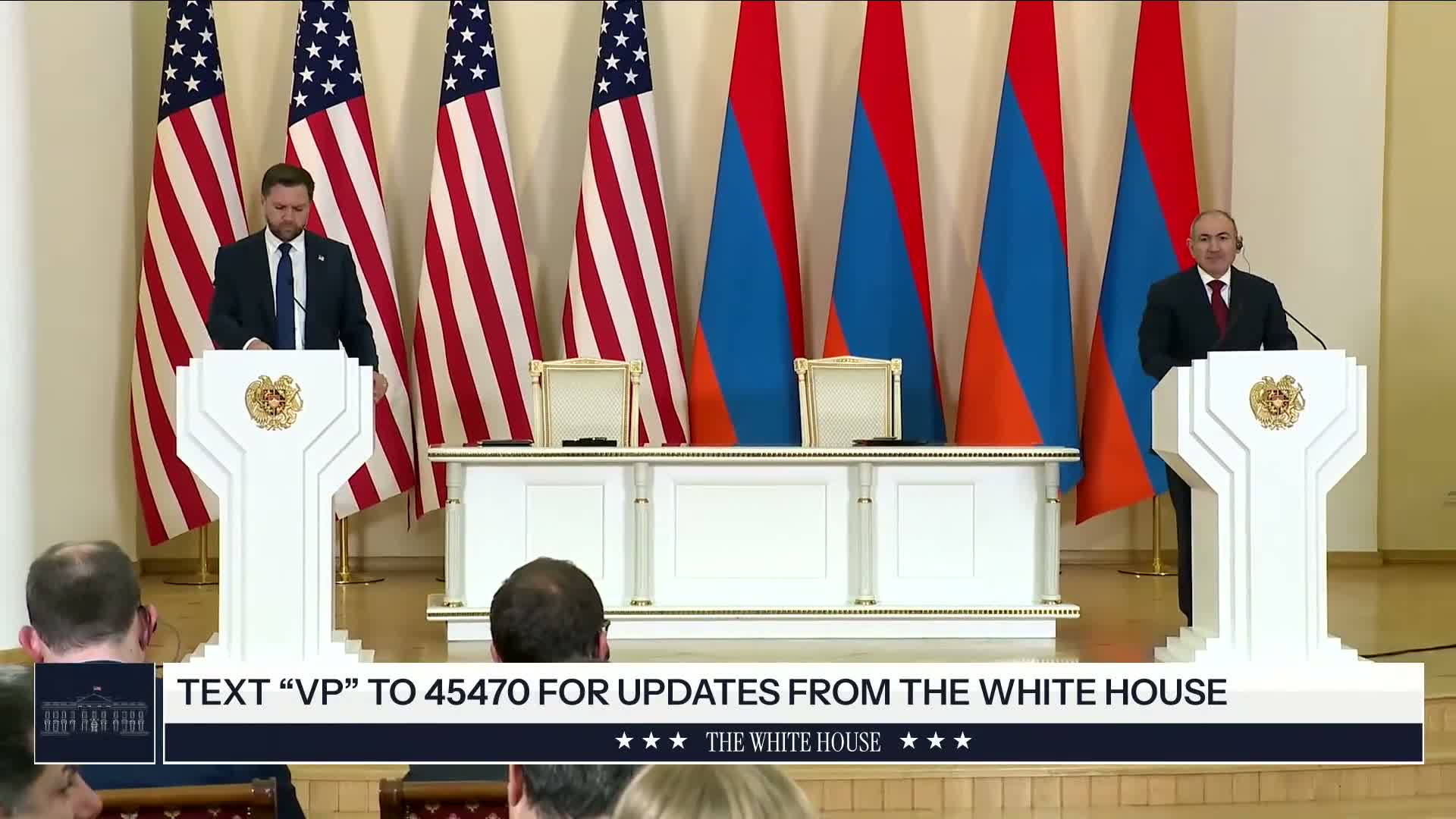
Summary
In a question-and-answer session, Vice President JD Vance said the president will set negotiation 'red lines' on Iran and that human rights concerns, including violent crackdowns, have been part of U.S. conversations with regional partners and Iran.
During a question-and-answer portion of the press event, Vice President JD Vance declined to set public red lines for negotiations with Iran, saying the president "is gonna make the ultimate determination about where we draw the red lines in the negotiations" and that the president typically preserves "decisional space for himself" by not revealing negotiation positions publicly.
Asked whether limited uranium enrichment would be allowed, Vance said decisions would be made by the president and that he would not publicly air negotiation strategy. In a follow‑up about violent crackdowns against protesters in Iran and whether human rights assurances are part of a deal, Vance said human rights have been included in conversations, stating the administration "stands with the people of Iran" and that the president has "made that part of the conversations" with regional actors.
Reporters asked both Prime Minister Pashinyan and Vance about Iran in separate turns. Pashinyan emphasized that Armenia and the United States share a "common objective" of peace and stability, and said the August 8 peace declaration in the region "is now happening in reality on the ground." The session recorded no change to U.S. negotiating posture beyond the officials’ descriptions that the president will set terms privately and that human rights have been raised in discussions.
The transcript cuts off during a final question asking Vance whether military strikes remain "on the table," and the president's specific negotiation positions or any new policy directives were not announced during the event.