
Mario Pentón reports detentions of independent creators as Nicaragua closes migration route
Get AI-powered insights, summaries, and transcripts
Subscribe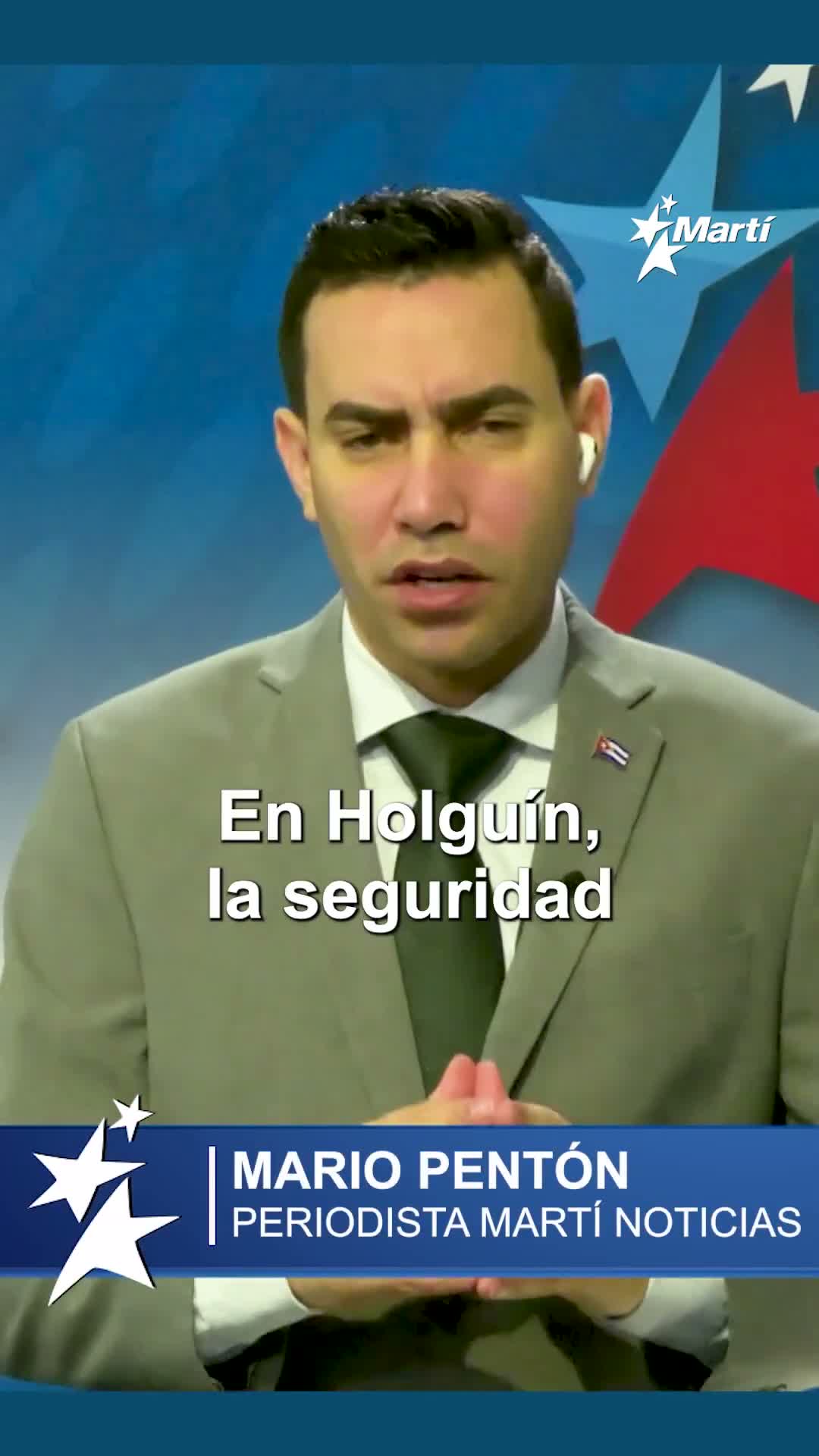
Summary
On Cuba al Día host Mario Pentón said state security detained members of the independent project El Cuartico in Holguín and that Nicaragua’s visa change has shut an important escape route for many Cubans, as the program framed the events as signs of mounting repression.
Mario Pentón, host of Cuba al Día, reported that state security forces in Holguín deployed patrols, police trucks and plainclothes agents and detained independent content creators from the project El Cuartico, who were "incomunicados" and had their equipment seized. "Estos jóvenes no son delincuentes ni son terroristas," Pentón said, describing them as a generation raised amid blackouts, shortages and censorship.
Pentón framed the detentions as part of a broader tightening of control. He said the government is responding to dissent with greater repression while closing migration routes. He noted that Nicaragua had eliminated visa‑free entry for Cubans and showed the situation at the Nicaraguan embassy in Havana as an example of narrowing options for those trying to leave.
An unidentified speaker on the broadcast declared, "Los días de esta dictadura llegaron a su fin," and called for an end to the single‑party monopoly and for real, repeatable elections. Pentón relayed that voices demanding pluralism and political change are being repressed, and he cited online audiences for independent creators as evidence of broader dissent.
The program also criticized state cultural messaging, contrasting the government's focus on events such as Bad Bunny's Super Bowl performance with the exclusion of exiled or dissident artists from national platforms. Pentón said journalists and broadcasters should question what the state chooses to air and what it conceals.
Pentón raised allegations related to historic abuses, saying he had interviewed a person he identified as a victim connected to the late Diego Armando Maradona and asked why episodes involving high‑profile figures ‘‘are not shown’’ on national television or investigated in the same way other scandals are covered abroad.
Pentón described multiple strains on public life: reported fuel shortages affecting international flights, airports on alert, tourism declines, partially functioning hospitals and recurring blackouts. He said the regime asks for more sacrifice but replies with heightened surveillance and punishment of those who speak openly.
Pentón closed by saying the program would continue to discuss "represión, el cierre de las rutas migratorias, [y] un régimen acorralado por su propio fracaso," and signed off, identifying himself: "Soy Mario Pentón, bienvenidos a Cuba al Día."