
Nicaragua imposes visa requirement for Cubans, closing a key route north, analysts say
Get AI-powered insights, summaries, and transcripts
Subscribe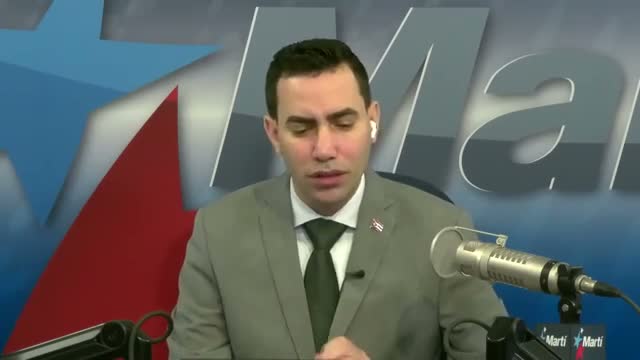
Summary
Nicaraguas government this week ended a visa-free corridor used by many Cubans to reach the U.S., a move analysts on Radio y Televisin Marts 'Cuba al da' say will reduce migration flow and reflects regional pressure on allied regimes.
Nicaragua this week imposed a visa requirement for Cuban nationals, closing a once-open corridor that had allowed thousands of Cubans to travel north, guests on Radio y Televisin Marts program Cuba al da said. "Como mencionaste, el régimen sandinista cerró de un golpe, una ruta clave para que los cubanos lleguen hasta Estados Unidos," said Jonathan Duarte, a Nicaraguan political analyst.
The change ends a policy in place since 2021 that had allowed Cubans to enter Nicaragua without a visa. Duarte told host Mario Pentn that Managua had become both a transit corridor and an economic opportunity for intermediaries: "se habían vuelto en un centro de tráfico humano," he said, adding the closure signals panic among allied regimes "en modo sálvese quien pueda."
Pentn said the shift will strand some travelers who already held tickets and redirect migration flows to alternative routes to Brazil, Chile and Uruguay. "Por supuesto, va a dejar a decenas de miles de cubanos que ya tenían incluso sus pasajes comprados... que ya no están viniendo a Estados Unidos," he said.
The program played a clip of Brian Nichols, identified in the broadcast as "entonces subsecretario de estado," who described how Managua had used migration as a geopolitical tool. Duarte said recent gestures such as limited prisoner releases and the visa imposition are tactical moves that do not indicate a broader human-rights turnaround in Managua.
Duarte and Pentn predicted increased economic and diplomatic pressure on Cuba could follow, potentially producing concessions from Havana. Duarte characterized the recent measures as "un poco de maquillaje del régimen" and urged sustained international pressure.
Next steps remain unclear. The broadcast laid out immediate practical consequences for migrants and framed the Nicaraguan decision as part of a broader regional reordering; neither the Nicaraguan governments full statement nor a U.S. government response was included in the program.