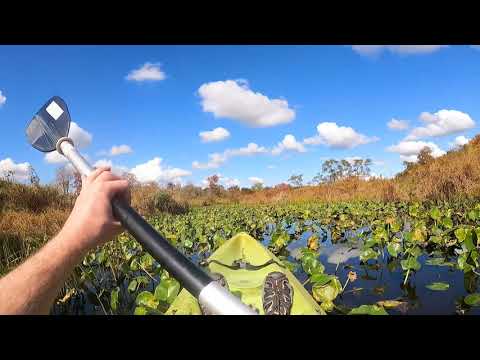
Presentation outlines how Pennsylvania wetlands support biodiversity, flood control and carbon storage
Get AI-powered insights, summaries, and transcripts
SubscribeSummary
Unidentified presenters summarized the ecological and community benefits of wetlands in Pennsylvania, citing historical losses (about 1,000,000 acres), attributions to the Pennsylvania Department of Environmental Protection wetland program, and claims about wetlands’ roles in carbon storage and flood mitigation.
A presenter outlined the ecological and community value of Pennsylvania's wetlands, describing them as "wet areas that support water tolerant plants and soils that are thoroughly soaked during some point in the year," and noting they range from small urban pools to dense forested marshes.
The presentation emphasized the scale of historic wetland loss. Speaker 2 said Pennsylvania once contained "over 2,200,000 acres of wetlands" and stated that "about 1,000,000 acres of wetlands have vanished," framing the loss as a driver for conservation efforts. Speaker 2 also identified the Pennsylvania Department of Environmental Protection wetland program, saying it "ensures the conservation, protection, and restoration of these valuable resources."
Speakers described several core ecological functions. Speaker 3 said wetlands "support increased biodiversity" by providing habitat and food for "thousands of plant and animal species, including many kinds of migratory birds." Speaker 4 characterized wetlands as important for climate mitigation, stating they are "the most effective carbon sinks in Pennsylvania," claiming they capture "twice as much CO2 from the atmosphere and store more carbon per acre than forested areas." These statements were presented as claims made during the talk.
On water and hazard management, Speaker 5 described wetlands as "nature's shock absorbers," saying they store excess water during storms, slow its flow, and help abate flooding and erosion; Speaker 2 added that wetlands act as natural filters that trap sediments and remove pollutants and can "slowly release [water] during dry seasons, replenishing the natural groundwater supply." Speaker 5 also noted that "over 90% of natural disasters are water related," a statistic referenced to underline wetlands' role in resilience.
The presentation concluded by emphasizing public benefits and access. Speaker 6 said "most Pennsylvanians live near a wetland" and listed recreational uses including hiking, fishing, hunting and kayaking, and urged that wetlands be "enjoyed, preserved, protected, and restored."
The presentation did not record a formal vote or decision; it reviewed functions, benefits, and offered the state's wetland program as the responsible agency for conservation and restoration work. The next procedural step or specific policy action was not specified in the presentation.