
U.K. representative at UN says famine in Darfur, blames aid blockades and announces sanctions
Get AI-powered insights, summaries, and transcripts
Subscribe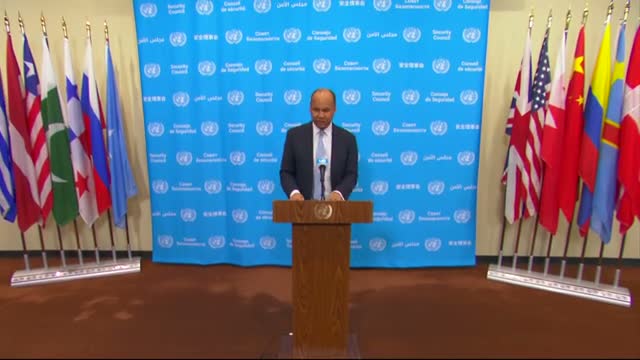
Summary
The United Kingdom's representative told the UN that an IPC alert shows famine in parts of Darfur, accused the SAF and RSF of deliberately blocking life‑saving aid, cited Security Council Resolution 2417, and announced new U.K. sanctions on six individuals; the council reiterated that external support for the parties is unacceptable.
The United Kingdom's representative told the United Nations on Tuesday that an Integrated Food Security Phase Classification (IPC) alert showed famine in parts of Darfur and accused the Sudan Armed Forces and the Rapid Support Forces of blocking life‑saving aid, worsening a crisis that the speaker said affects more than 33,000,000 people.
The representative, speaking in a national capacity for the United Kingdom and noting that Bahrain and Denmark joined in calling the meeting, said the obstruction of humanitarian assistance and attacks on aid convoys amount to violations of international humanitarian law and cited Security Council Resolution 2417 in that context. "Starvation must never be used as a weapon of war," the representative said.
The speaker cited an IPC alert reporting famine conditions in the Darfur localities of Baru and Kemoy and condemned recent strikes that the representative said included a reported RSF attack on a World Food Programme aid convoy that killed an aid worker and an attack in North Kordofan that the speaker said killed 24 people, including eight children. The representative urged that humanitarian workers be allowed to deliver assistance without obstruction or retaliation.
The United Kingdom also announced new sanctions. "Finally, on Thursday, the United Kingdom imposed new sanctions against 6 individuals suspected of committing atrocities and fueling the conflict," the representative said. Outside support for the parties was described as unacceptable; the speaker affirmed the council's position that weapons, financing or other support from external actors must cease.
Asked about reports that the European Union had engaged with the United Arab Emirates on Sudan, the representative said questions about EU‑UAE talks should be addressed to the EU but reiterated that the council's position opposes any external support that would fuel the conflict. The representative added that ministerially chaired meetings are scheduled next week on Sudan and on the Middle East peace process.
The meeting closed with brief thanks. No formal vote or Security Council resolution was recorded during these remarks.