Get Full Government Meeting Transcripts, Videos, & Alerts Forever!
Get email alerts on the School District Feasibility topic
No spam. Unsubscribe anytime.
Residents urge Holladay council to fund feasibility study on creating smaller school district
Summary
Dozens of Holladay residents urged the City Council to commission a feasibility study to examine creating a smaller local school district split from Granite School District; supporters said the study would provide data on finances, teacher impacts and school closures while opponents warned of higher costs and funding uncertainty.
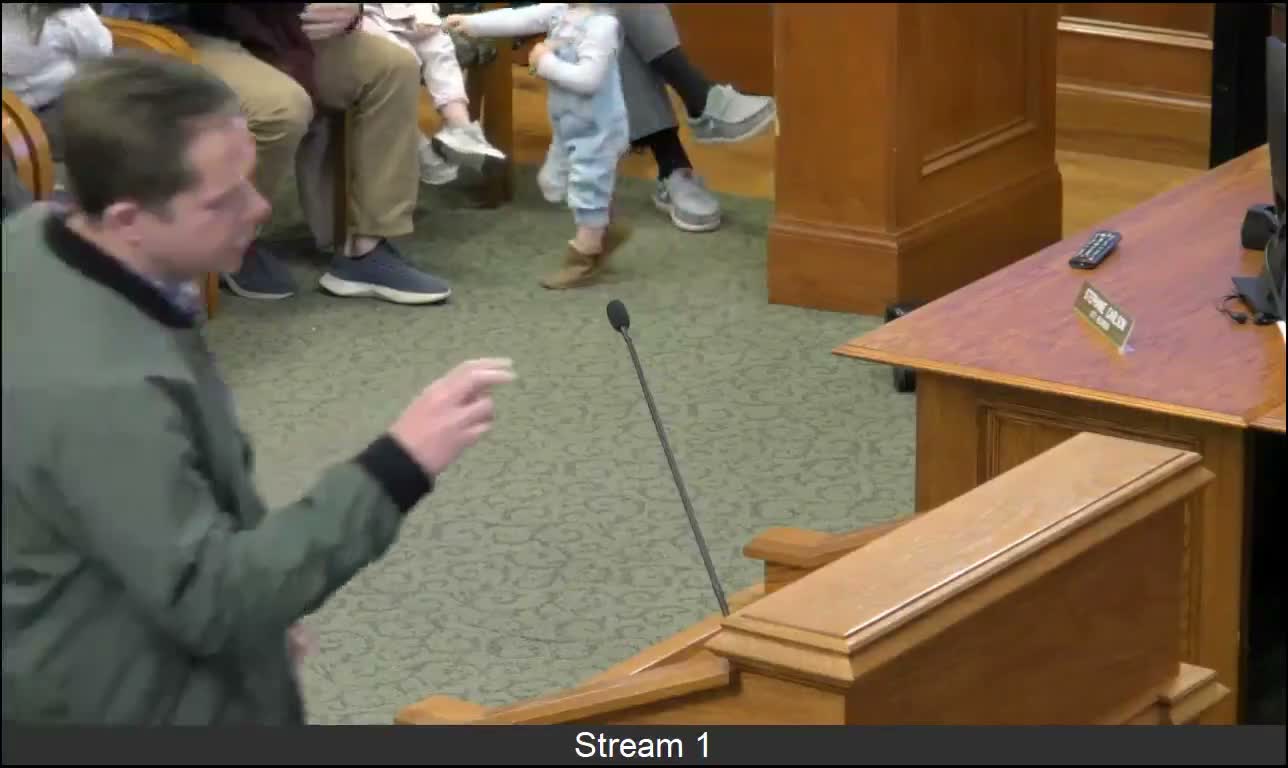
Dozens of residents told the Holladay City Council on the night of the meeting that they want the city to fund or permit a feasibility study to explore forming a smaller, local school district separate from Granite School District.
"It's to allow us to explore splitting the district," Taylor Davis, a parent and organizer, said during public comment, adding the group’s intent is to "explore" rather than immediately create a new district. Several other parents and longtime residents said they were willing to help fund a study and stressed the potential for more local control.
Why it matters: Supporters said Granite’s large size — speakers repeatedly cited roughly 60,000 students in the district — dilutes local voice and makes curriculum and staffing decisions harder to tailor to Holladay-area schools. Laura Kinock, a long-time resident, said smaller districts can reduce administrative bloat and better reflect neighborhood needs.
Opponents and caveats: Not everyone supported the idea. Rhiannon Monstauf, another resident, said Holladay may not have enough students to sustain a separate district and warned of Utah funding constraints that could increase property taxes or reduce services. "If we open up a new school district, cost is going to cost a lot more than we might expect," she said, citing ongoing state-level changes to education funding.
What residents asked the council to do: Multiple speakers urged a neutral feasibility study that would examine finances, the weighted pupil unit for local students, teacher benefits and recruiting, and whether school closures would be necessary. Lane O'Neil, a parent, said the study is the appropriate first step and described the approximate study cost — "$50,000 in all, between three cities" — as modest to learn the facts before any ballot measure or vote.
Council response and next steps: The mayor closed public comment and invited residents to meet individually or in groups with council members for more detailed conversations. Council did not take a formal vote on commissioning a feasibility study during the meeting; council members repeatedly offered to meet with residents and review data. The record shows the council remained open to further engagement but did not adopt or fund a study that night.
What remains unresolved: Residents requested clear timelines, cost-sharing details and analysis of teacher compensation and program impacts; those specifics were not decided at the meeting. Citizens who opposed a split urged the council to weigh state funding rules and demonstrate the fiscal viability of any new district before proceeding.
The council moved on to other agenda items after closing public comment; the feasibility study request was left as an item for follow-up discussion between residents and council staff.