Get Full Government Meeting Transcripts, Videos, & Alerts Forever!
Get email alerts on the Pilot Funds topic
No spam. Unsubscribe anytime.
Board urges share of PILOT funds as Conifer move‑ins strain Verona schools
Summary
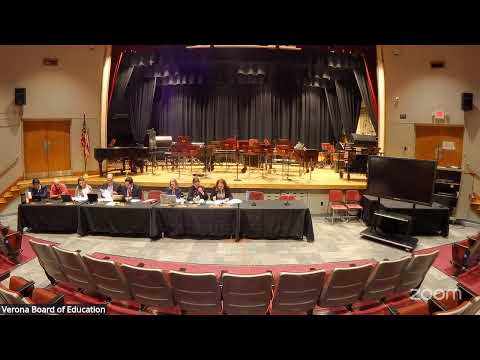
At a March 25 joint meeting, Verona school leaders asked the township for 65% of future PILOT payments and a seat at negotiations after Conifer/Verona Flats move‑ins increased enrollment and budget strain; council agreed to notify the board when PILOTs are negotiated and to explore guidelines.
Superintendent Diane Giuseppe told a joint meeting of the Verona Board of Education and Breonna Township Council on March 25 that roughly 20 new students from the Verona Flats (Conifer) development have enrolled so far and that the district is concerned about additional move‑ins and their fiscal and programmatic impacts. "Our ask is 65% of pilot funds now and in the future, as well as a seat at the table for a board representative ... whenever a pilot project is negotiated," Giuseppe said, urging earlier notice and a formula to calculate student impact.
Why it matters: Board members said classroom capacity is tight at multiple elementary schools, special‑education needs are rising and the district is already operating under fiscal constraints. "One student that moves in ... and needs an out‑of‑district placement could cost the district $300,000 for one student," Giuseppe warned, calling the potential cost "a tremendous amount of money" for a district that cut about $1.5 million from its budget to meet the tax levy cap.
Township leaders explained how Payment in Lieu of Taxes (PILOT) arrangements work and why the board has not received direct PILOT shares under state law. The mayor and council members said PILOTs are negotiated as part of redevelopment plans and that most negotiated PILOT payments flow to the township; a small county share and land‑assessment taxes still produce some revenue for schools. The mayor outlined previous township land purchases (multi‑million dollar acquisitions) intended to limit developer proposals and reduce unplanned student growth.
Council response and next steps: The mayor said the council will notify the board when PILOTs are under consideration and suggested developing a policy or set of communication guidelines so the district can calculate projected student impacts and be included in negotiations where legally possible. "It is reasonable ... that if there were to be a negotiation regarding a pilot project to invite the board," a council representative said.
Budget context: Board and council speakers described constraints from New Jersey's 2% tax‑levy cap and a state funding formula the board says leaves Verona underfunded by roughly $800,000. Business Administrator Mr. Cruz said the district filed its tentative 2025–26 budget with the county; the board projects it is over the 2% cap by about $590,000 for the coming year and flagged uncertainty about future federal aid, including IDEA allocations.
What was not decided: No change to any PILOT agreement or automatic transfer of current PILOT dollars to the school district was approved at the meeting. Council members described options—negotiated shares, lump sums or formulaic contributions—and asked for further discussion in council venues to establish a workable approach. The meeting closed with a commitment to draft communication procedures and consult legal guidance about when and how the board can be included in closed sessions or negotiations.
The township and school board agreed to continue the conversation and to share demographer analyses and site plans when PILOT proposals arise; no formal binding allocation was enacted at the March 25 meeting.