Get Full Government Meeting Transcripts, Videos, & Alerts Forever!
Commissioners press for enforceable routing agreements as EOG activity increases traffic on county roads
Summary
Lavaca County commissioners and Sheriff Greenwell discussed heavy truck traffic from incoming EOG drilling activity, the insufficiency of existing bond levels to cover road damage, and plans to draft more prescriptive routing agreements with maps and signatures that the sheriff's office can enforce.
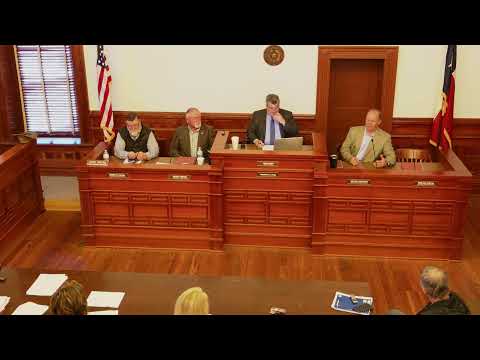
Commissioners in Lavaca County spent an extended part of the meeting discussing damage to county roads caused by heavy oilfield traffic and how to make routing agreements enforceable.
Commissioner, Precinct 2 described repeated departures from prescribed routes and substantial truck volumes at multiple sites, saying the current $250,000 bond is unlikely to cover damage when several roads are impacted. "I can't in good conscience ask the taxpayers to pony up the money to fix a road that…
Already have an account? Log in
Subscribe to keep reading
Unlock the rest of this article — and every article on Citizen Portal.
- Unlimited articles
- AI-powered breakdowns of topics, speakers, decisions, and budgets
- Instant alerts when your location has a new meeting
- Follow topics and more locations
- 1,000 AI Insights / month, plus AI Chat