
Judge sets $1 million bond for Lively Stratton in 2013 capital-murder matter
Get AI-powered insights, summaries, and transcripts
Subscribe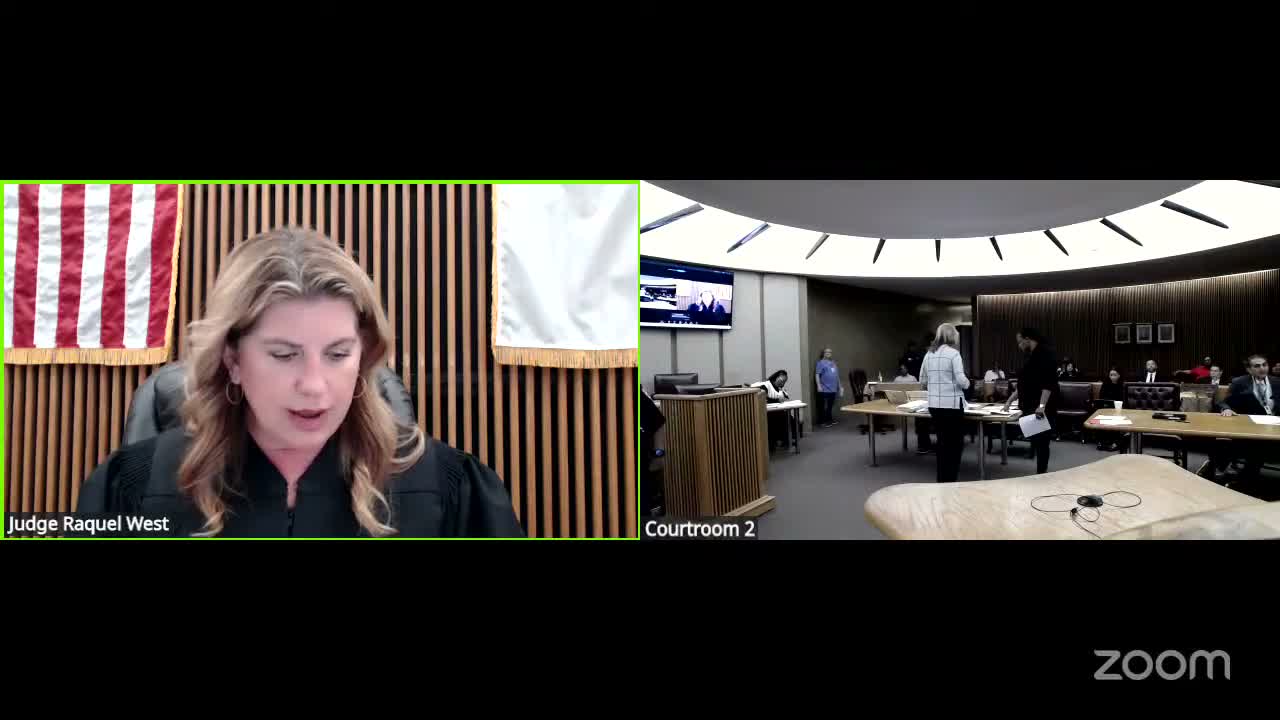
Summary
The 252nd District Court set bond at $1,000,000 for Lively Stratton after the state’s lead detective described the 2013 killings as unusually violent and nearby a college campus; the court granted a 60-day period for counsel to reconcile discovery.
A judge in the 252nd District Court on Feb. 10 set bond at $1,000,000 for defendant Lively Stratton in a case arising from a 2013 shooting that left four people dead. The decision followed testimony from a lead detective and argument from both sides about public-safety risk, flight risk and the state of discovery.
Detective Frank Coffin, who said he was one of the lead investigators on the case, told the court the killings were “so close to a college campus, so carelessly, so quickly,” and said he believed Stratton posed a significant threat to the Beaumont community if released. "I would imagine that there would be, you know, if, knowing what he's faced with... there's no upside to not leaving," Coffin said when asked about flight risk.
Defense counsel, who filed a writ seeking a bond reduction, questioned Stratton about his family resources and prior bond history; Stratton said his prior bond had been $1,000,000 and acknowledged having no substantial savings but named relatives who might help. The defense asked the court to consider a reduced bond; the state urged that a substantial bond remain given the nature of the charges.
The judge said bail of $1,000,000 was appropriate “for the nature of this offense” and set conditions: if bond is made, the defendant would be required to wear a GPS monitoring device and be on house arrest, with a precise residence identified to the court. The judge also ordered that any no-contact restrictions for identified witnesses be added to the intake file once names are compiled.
On discovery, prosecutors told the court they had prepared an itemized spreadsheet of media and evidence and offered two flash drives to the defense for review; the judge directed counsel to reconcile their inventories and gave the parties 60 days to work through outstanding discovery issues and come back prepared.
The court did not decide guilt or innocence; it set bond and ordered conditions and discovery steps ahead of further proceedings.