DTE Energy outlines 3‑mile pipeline replacement near Walker to meet state and federal rules
Loading...
Summary
DTE Energy told the Walker City Commission it will replace a little over 3 miles of aging natural‑gas pipeline beginning in 2026 to improve safety, allow modern inspections and increase capacity; construction is planned through September 2027 with easements being acquired and road crossings drilled beneath to limit traffic impacts.
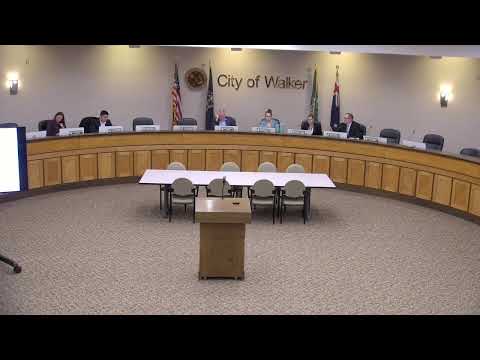
DTE Energy representatives told the Walker City Commission on Feb. 9 that the utility will replace a little more than 3 miles of natural‑gas pipeline that runs through the South End/Cowendale–Lake Michigan Drive area to improve safety and meet regulatory requirements. "We're gonna be replacing about 3 miles, a little over 3 miles of a pipeline," said project manager Zach Moore.
The project will shift the route away from densely populated blocks in the Sunset Hill area and move the line onto new easements where possible to reduce the risk to residences. Moore said the current pipeline dates to the mid‑1940s: "This pipeline has been in place since the mid forties," and the new line will be compatible with modern inspection tools. He said the replacement will allow robotic internal inspection devices, commonly called "pigs," to pass through the pipe for ongoing wall‑loss and safety assessments.
Moore told the commission DTE is seeking easements from landowners and is about 35–40% complete on those acquisitions. At road crossings (Wilson, O'Brien, Maynard and Colindale), DTE plans to drill beneath the pavement to avoid traffic interruptions and minimize impacts to school bus routes and commutes. When asked about depth, Moore said cover will average "6 to 8 feet" with a minimum of 4 feet and that horizontal drilling for crossings can extend "20 to 40 feet underground." He said, "Everything will be in serviced at that point" by September 2027 and that the work positions the company to meet a 2029 regulatory deadline.
The company said upgrades include replacing nearly all equipment at the South Grand Rapids gate station and upgrading the Collindale regulator station to handle increased flow into the Walker distribution network. Moore also noted local economic effects during construction: "we do expect there to be some local economic benefits as well there," citing DTE employees and contractors who will patronize area businesses.
DTE said it is coordinating with orchard owners and other affected landowners to mitigate crop loss and avoid disturbing livelihood resources; representatives described continuing engagement and offered to provide contact information for constituents once construction begins. The presentation cited compliance with the Michigan Public Service Commission and federal guidelines as drivers of the timing and scope of the work.
The commission did not take any formal action at the meeting on the project; DTE staff offered to answer follow‑up questions and to keep commission members and the public informed via social media and direct communications once construction timelines are firm. The company estimated roughly 50 staff and contractors are working in design now and anticipated an additional 50–75 people during construction.
Next steps for the project include finishing easement acquisition and finalizing construction scheduling; DTE will return to communications with commissioners and constituents as details firm up.