Get Full Government Meeting Transcripts, Videos, & Alerts Forever!
Get email alerts on the Tobacco Moratorium topic
No spam. Unsubscribe anytime.
Council extends citywide tobacco‑retailer moratorium for six months; staff to allow legally vested exceptions
Summary
After questions from council and a public hearing from a Circle K developer who said the company invested roughly $6.5 million and submitted required state and city applications before the moratorium, council amended staff's recommendation and approved an extension of the urgency interim ordinance prohibiting new tobacco retailer permits for six months and 15 days with language allowing staff to issue permits if legally required.
The Gilroy City Council voted to extend an urgency interim ordinance that prohibits issuance of any new tobacco retailer permits citywide for six months and 15 days, adding language to allow staff to issue a permit if required by law or for renewals as appropriate.
Planning manager Michael Fasadi told the council staff had proposed the citywide moratorium after uncovering unregulated smoke-shop activity and the need to define "smoke shop" in the zoning code. The original staff recommendation sought the statutory maximum extension (10 months and 15 days) to allow the city time to define the use and propose permanent zoning changes.
At public hearing, representatives for a new Circle K at Chestnut and 10th said the company submitted a state tobacco license in September, a city business-license application in November and finished construction on Jan. 8, 2026. “We invested over $6,500,000 here,” Circle K's counsel told the council, asking the city to recognize a vested interest in processing their application.
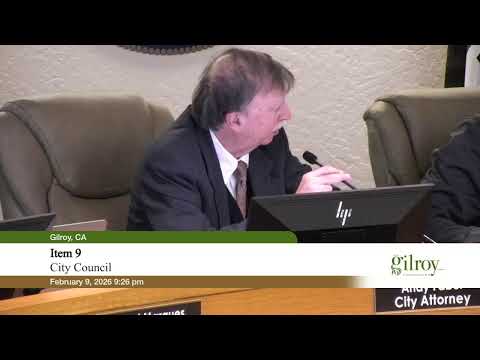
City Attorney Andy Faber said staff is researching whether specific applicants have vested-rights that would require issuance of a permit despite a moratorium; staff asked for limited language that would allow issuance if the law requires it.
Council members expressed a range of concerns about timeline and enforcement. Several asked for a shorter review window; Councilmember Fugazi moved to adopt a shorter extension of six months (with the 15‑day technical addition) rather than the full statutory maximum. That motion carried; council also approved findings required by Government Code section 65858(d) and found the action exempt from CEQA pursuant to section 15061(b)(3).
The adopted ordinance includes staff-recommended exceptions for renewals or instances where staff determines permit issuance is required by law; staff said it will continue enforcement work and provide a material update to council in the coming months.