Get Full Government Meeting Transcripts, Videos, & Alerts Forever!
Committee advances bill to protect $1,000 in bank accounts from garnishment
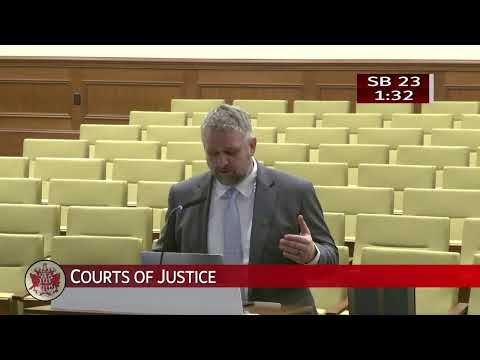
Senate Courts of Justice Committee · February 9, 2026
AI-Generated Content: All content on this page was generated by AI to highlight key points from the meeting. For complete details and context, we recommend watching the full video. so we can fix them.
Summary
The committee advanced SB 301 to automatically exempt up to $1,000 in a debtor’s bank account and to auto-protect certain benefit deposits; creditors warned of collection impacts while advocates and banks said the bill is a negotiated compromise.
Senator Van Valkenburgh presented SB 301 as a negotiated consumer-protection measure to prevent garnishments from wiping out a person’s entire bank balance. The bill would automatically protect up to $1,000 in an account from garnishment and would automatically exempt four categories of deposits—unemployment insurance, workers’…
Already have an account? Log in
Subscribe to keep reading
Unlock the rest of this article — and every article on Citizen Portal.
- Unlimited articles
- AI-powered breakdowns of topics, speakers, decisions, and budgets
- Instant alerts when your location has a new meeting
- Follow topics and more locations
- 1,000 AI Insights / month, plus AI Chat
30-day money-back on paid plans