Get Full Government Meeting Transcripts, Videos, & Alerts Forever!
Get email alerts on the Ems Funding topic
No spam. Unsubscribe anytime.
Simsbury Volunteer Ambulance Association outlines staffing, reimbursement shortfalls and capital needs
Summary
SVAA reported rising call volume and high Medicare/Medicaid write‑offs that leave reimbursement near 40–50% of billed amounts; the group seeks sustained town funding under its MOU and support for capital purchases including a replacement ambulance expected summer 2026.
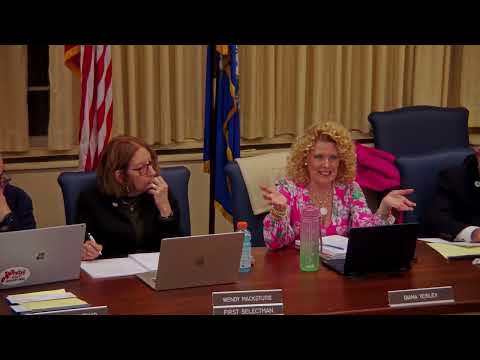
Representatives of the Simsbury Volunteer Ambulance Association presented their annual report to the Board of Selectmen and summarized operations and finances. The presenter said transports rose modestly while 911 calls increased about 10%; mutual aid partners handle roughly 9% of in‑town calls and SVAA handles the rest.
The group described a revenue shortfall driven by Medicaid and Medicare reimbursement rules: examples given showed Medicare reducing billed amounts by substantial write‑offs and paying roughly 39% of billed sums after adjustments; Medicaid examples showed the town receiving only about $419 on some transports, with the remainder uncollectible. Presenters said such write‑offs push annual uncollectible billings into the hundreds of thousands of dollars.
SVAA told the board that payroll, medical supplies and vehicle repair costs have increased substantially post‑COVID and that payroll has risen roughly 31% over three years. The association reported success with fundraising ($125,000 standard fund drive, $43,000 capital drive) and town support of about $190,000 under the MOU. SVAA’s goals include delivery of a replacement ambulance by summer 2026, expanding EMT classes and continuing community outreach and training programs.
Board members probed response times (average 6 minutes, 36 seconds for priority calls), mutual‑aid balances and the association’s operating model given heavy reliance on Medicare/Medicaid reimbursements. The board flagged longer‑term budget discussions about sustaining second‑ambulance coverage and potential additional town funding.