Get Full Government Meeting Transcripts, Videos, & Alerts Forever!
Get email alerts on the Public Comment Settlement topic
No spam. Unsubscribe anytime.
Lewiston resident tells council a city decision led to years-long legal fight and $690,000 settlement
Summary
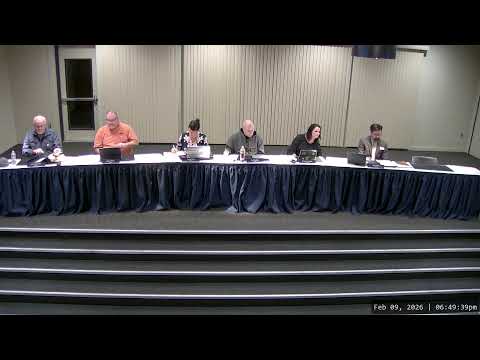
At the Feb. 9 Lewiston City Council meeting, resident and developer Loris Prophet described a multi-year dispute over an approved PUD that she said began after a newly hired city engineer denied a 2022 building permit; she said the family settled with the city for $690,000 and alleged the mayor backed staff during the dispute.
Loris Prophet, a Lewiston real estate agent and co‑developer of Lindsay Creek Estates, told the Lewiston City Council on Feb. 9 that a city decision in 2022 upended a previously approved planned-unit development and triggered three years of legal conflict that harmed her family’s small business.
Prophet said the project — a 90‑unit, ADA‑compliant townhouse community for residents 55 and older — received final approval after four years of permitting work, and the family built 10 units and maintained a waiting list. She said that in February 2022 a newly hired city engineer, Lou Kaniak, denied a building permit for the next phase “without legal cause,” and that Mayor Johnson sided with city staff when the family appealed.
“That action began a legal battle for us that lasted three long years,” Prophet said. She said the family ultimately agreed to settle a January 2026 court date by accepting a $690,000 payment from the city, an item the council later approved on its consent agenda.
Prophet also alleged the city incurred substantial legal costs responding to the dispute. “As best I can tell, the city has spent over $500,000, taxpayer dollars, to back the mayor’s decision,” she said, and added that “approximately $1,200,000 have been spent for no legal reason,” characterizing the sums as her estimate based on material she has seen and on a statement she said she received from the city treasurer calling the settlement an unforeseen budget item.
She said the family’s public‑records requests for city legal invoices were denied by the city attorney and described economic and personal harm — increased debt, lost employees, higher legal fees and delayed retirement plans — that resulted from the dispute.
The council did not provide a point‑by‑point response during public comment. City staff and elected members later approved the consent agenda that included a voucher/check for the settlement; no additional council action on the dispute was recorded during the meeting.
Prophet closed by urging the council to align actions with the goals the council had discussed previously for the city’s future and to avoid similar situations affecting other small businesses.
The council’s formal business that night included several separate approvals and agenda items; the meeting adjourned following the evening’s actions.