Monroe Planning Commission directs staff to draft findings backing state‑required step‑housing and co‑living code changes
Loading...
Summary
After a public hearing, the commission voted 4‑0 to direct staff to prepare findings recommending that Monroe City Council adopt amendments to municipal code to allow step housing and co‑living housing in zones required by state law, citing HB 1998 and Growth Management Act obligations.
The Monroe City Planning Commission on Feb. 9 directed staff to draft findings of fact and conclusions of law recommending that the City Council adopt amendments to the Monroe Municipal Code to comply with state mandates for step housing and co‑living housing.
Anita Marrero, presenting for city staff, told the commission that "cities are required to allow step housing in certain zones" and explained that step housing covers "emergency shelters, transitional, emergency, and permanent supportive housing." She said House Bill 1998 requires jurisdictions to allow co‑living housing in urban growth areas that permit at least six multifamily units, and staff has proposed changes to the code to add a definition for co‑living housing and to allow it in required multifamily and mixed‑use zones.
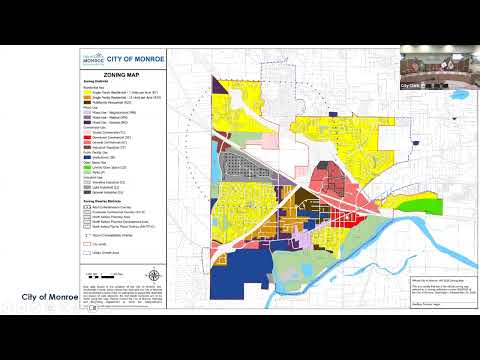
Marrero described use‑table changes and zoning locations where the different forms of step housing would be allowed, noting that "permanent supportive housing is already defined in the code" and that emergency shelters are limited to areas that allow hotels. She also told commissioners that the council previously adopted an interim housing ordinance and that staff plans to bring a new interim ordinance to council to maintain authority while the permanent code amendments are completed. "These regulations are then in effect for six months," she said.
Commissioners asked whether emergency housing could be incorporated into larger affordable developments and whether natural‑disaster‑related shelters were covered. Marrero said emergency services definitions include "establishments engaged in providing food, shelter, clothing, medical relief, resettlement, and counseling to victims of domestic or international disasters or conflicts," and indicated those definitions would capture natural‑disaster responses.
After the staff presentation and without public testimony (the commission had no speakers signed up), Commissioner Bock moved "to direct staff to draft findings of fact and conclusions of law recommending that Monroe City Council approve the proposed amendments" to multiple chapters of the Monroe Municipal Code as listed in the agenda packet; Commissioner Lowe seconded the motion. The motion passed on a 4‑0 vote.
Next steps: staff will prepare the findings and related ordinance language for review by the Planning Commission and for subsequent public hearings before the City Council, including the interim ordinance that staff said will be scheduled for council consideration to maintain compliance with the state deadline.