
Residents and council clash over proposed data center site near ACE Basin; council points to zoning process
Get AI-powered insights, summaries, and transcripts
Subscribe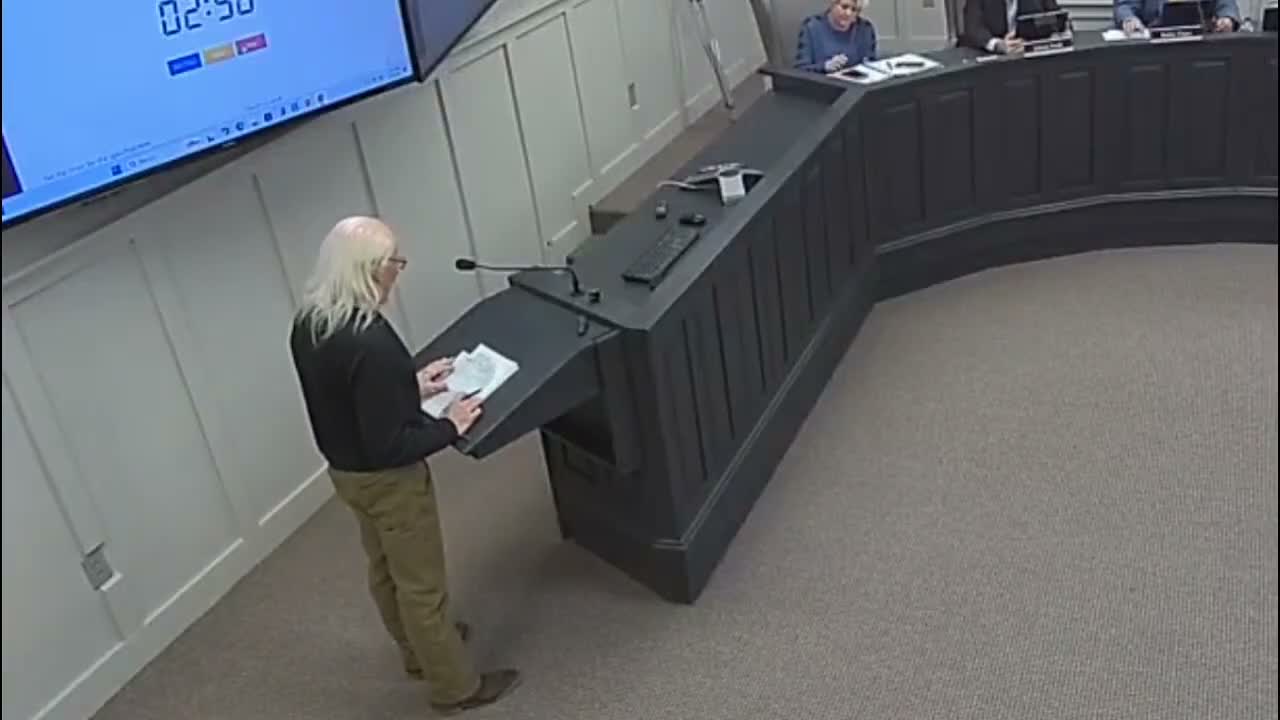
Summary
Public commenters warned that a proposed data center on Cooks Hill Road would harm the ACE Basin watershed; council members said the county did not rezone the land and that data centers require a special-exception review by the Board of Zoning Appeals.
A wave of public comment at Colleton County Council’s Feb. 9 meeting highlighted local opposition to a proposed data-center campus near the ACE Basin watershed and prompted a lengthy council explanation of land-use process and limits of the council’s role.
Several residents urged the council to oppose the campus on environmental grounds and asked who would be responsible for restoring wetlands, oysters and other habitat if construction proceeds. Glenn Strickland read a resolution from the county’s legislative delegation urging the council to oppose the project, saying the ACE Basin is a longtime protected coastal ecosystem and that the proposed site, on Cooks Hill Road, is inappropriate for a data center.
The council’s response focused on process and zoning. An unnamed councilmember who spoke at length said the county’s comprehensive plan — updated periodically with public input — designates large conservation zones based on citizen feedback and that the county did not rezone the specific property for the data center. “We did not rezone this property at all,” the councilmember said, adding that the council instead added a definition of “data center” and made data centers subject to a special-exemption review by the Board of Zoning Appeals. That special-exemption pathway, the councilmember said, adds height and buffer restrictions and means the Board of Zoning Appeals, not county council, will decide whether a specific special exception is granted.
Residents pressed practical and environmental questions. One attendee who identified themself as downstream asked who would reseed oysters, spartina and other species and who would be responsible for ecological harm if the project proceeded. Another resident asked how lost flora and fauna would be replenished and who would pay for remediation.
Council members repeatedly urged dialogue and local engagement with staff and the planning process. The council noted that the Board of Zoning Appeals will consider any special-exemption application and that appeals could proceed through the courts. The council also said the county already holds roughly 175,000 acres under conservation, and described the proposed project’s footprint as small relative to countywide conserved acreage.
The meeting record shows no final decision by council on the special-exemption application; council emphasized the administrative and quasi-judicial roles of the planning commission and Board of Zoning Appeals and urged residents to participate in those processes.
Quotes used in this article come from speakers present in the meeting record and are attributed to speakers listed in the meeting transcript.