
Kentucky panel advances bill to let Agriculture commissioner declare animal emergencies
Get AI-powered insights, summaries, and transcripts
Subscribe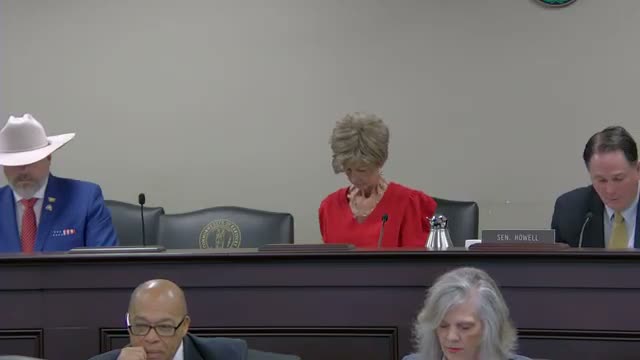
Summary
The Senate Agriculture Committee advanced SB 155 to give the Agriculture commissioner, with the state veterinarian, authority to declare and manage livestock and poultry emergencies — a measure supporters said speeds response to disease outbreaks and severe-weather threats.
The Senate Standing Committee on Agriculture unanimously advanced legislation aimed at speeding state response to animal emergencies.
SB 155 would allow the commissioner of the Kentucky Department of Agriculture, in consultation with the state veterinarian, to declare and manage emergency situations affecting livestock, poultry or other domesticated animals when communicable disease outbreaks, severe weather or other disruptions threaten animal welfare or access to feed and water. Supporters said the change would let the department deploy specialized resources more quickly while preserving coordination with the governor's office.
Senator Carpenter, the bill sponsor, and Department of Agriculture staff said the measure responds to recurring events — including ice and wind storms — that have interrupted feed and supplies and put flocks and herds at risk. Mark Manley, deputy general counsel for the Kentucky Department of Agriculture, and Greg Shanks, director of emergency preparedness and response, joined the sponsor to describe the department's operational needs.
"This bill would empower the commissioner of agriculture in consultation with the state veterinarian to declare and manage emergency situations affecting livestock, poultry, or other domesticated animals," an author of the bill told the committee, citing recent incidents where weather and logistical delays made rapid response essential.
Committee members praised the department's disaster-response work and emphasized the economic stakes for producers and processors when flocks or herds face loss. After brief questions and clarifications about coordination with the governor's office and existing authorities, members voted to advance the bill.
The committee chair announced the motion passed unanimously. The bill will proceed to the full Senate for further consideration.