White House unveils 'Trump accounts' plan for children, says $1,000 seed payment will be available
Loading...
Summary
The White House announced a new child savings product the administration calls "Trump accounts," saying eligible children born between Jan. 1, 2025 and Dec. 31, 2028 would receive $1,000 from the U.S. Treasury and parents could contribute up to $5,000 annually.
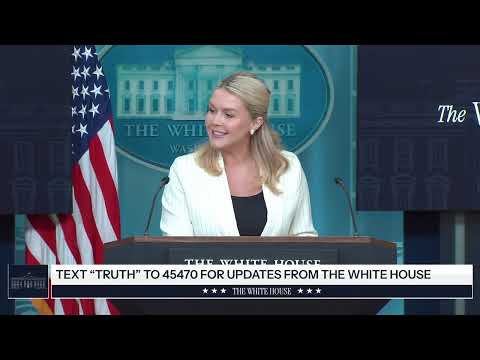
The White House announced a new child savings initiative the administration is calling "Trump accounts." Caroline, White House spokesperson, said parents can apply at trumpaccounts.gov and that the administration plans a $1,000 seed contribution from the U.S. Treasury for every child born between Jan. 1, 2025, and Dec. 31, 2028, with parents or nonprofits able to contribute up to $5,000 per year and employers able to contribute up to $2,500 per year per employee.
Caroline compared the accounts to traditional individual retirement accounts in tax treatment while saying they are specifically tailored to early-life savings. She offered a hypothetical projection — "nearly $1,100,000 by age 28" under assumed historical market returns — framed as illustrative rather than guaranteed. The spokesperson directed parents to trumpaccounts.gov for application details and referenced an "IRS form 45 47" as part of the process; the briefing did not provide a statutory citation, enabling legislation, or details on tax-treatment mechanics beyond the spokesperson's description.
Reporters did not receive granular eligibility rules, tax-code citations or legal texts during the briefing. The announced programic components (seed payment, contribution limits, employer contributions) were presented as administration policy proposals or program design; implementation would require further administrative guidance or enabling legislation depending on the legal mechanism the administration intends to use.