
Panel discussion examines strategies for pressuring Cuba and lessons from Venezuela, Nicaragua and Mexico
Get AI-powered insights, summaries, and transcripts
Subscribe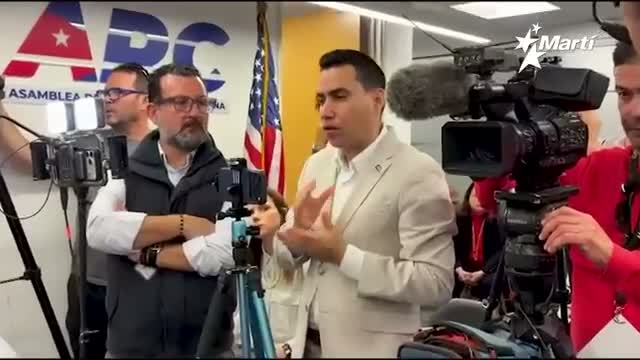
Summary
Speakers debated how external pressure and negotiated strategies could affect Cuba’s political future, citing lessons from Venezuela’s upheaval, pitfalls from Nicaragua and Mexico’s transitions, and urging careful sequencing of political, human-rights and psychological measures.
Speakers in a recorded discussion examined how outside pressure and negotiated strategies could shape a political transition in Cuba, drawing lessons from Venezuela, Nicaragua and Mexico and urging coordinated action rather than piecemeal measures.
The panel’s main argument was that pressure must be sustained and paired with negotiation and human-rights safeguards. One participant said Cubans "definitivamente merecen una oportunidad diferente" and called for speeding up a transition process that, the speaker argued, has been ongoing since 1959.
The exchange opened with a question naming President Donald Trump and (as spoken in the transcript) "Marcos Rubio" and asking how U.S. pressure — including measures such as a fuel embargo — might compel change and what lessons democratic movements on the island could learn from European transitions. A speaker replied that Cubans are closely watching the Venezuelan example and the events around Jan. 3 as a learning reference and that pressure has escalated since that date; that pressure, they said, "tiene que continuar" and must be combined with negotiation.
Several panelists cautioned against superficial transitions that preserve previous power structures. One speaker pointed to Nicaragua’s post‑Chamorro period as a warning: institutions such as the military and security services remained under the prior regime’s influence, enabling a democratic regression. Another compared the Mexican transition after Vicente Fox and argued that retaining officials from the previous regime in key positions contributed to the erosion of democratic gains under later administrations.
A participant who identified having studied Central and Eastern European transitions said that, based on his experience talking with Cubans in Miami and dissidents from the island, "Cuba no va a ser otra..." and expressed optimism that Cubans "entienden exactamente lo que deben de hacer" if they reach power. The same speaker referenced a book mentioned by Luis Almagro and a publication attributed in the transcript to the Directorio Democrático Cubano and a named institute; the institute’s name in the recording is unclear.
The discussion included several precise claims about past and potential events — including a statement in the recording that linked actions around Maduro and a "capture" and installation of a transitional government in Venezuela — that appear in the transcript as assertions by participants and are reported here as such rather than as independently verified facts.
No formal motions or votes were recorded in the transcript. The session concluded as a discussion of strategy and historical lessons, with speakers urging sustained pressure, careful sequencing of political and human‑rights measures, and attention to institutional safeguards to avoid repeating past regressions.
The transcript does not specify the date, venue, or formal affiliations for the speakers.