Get Full Government Meeting Transcripts, Videos, & Alerts Forever!
Get email alerts on the Legal Settlement topic
No spam. Unsubscribe anytime.
District attorney says settlement with Roy Bailey Construction resolved dispute and avoided protracted litigation
Summary
District Attorney Tom told jurors that a June settlement with Roy Bailey Construction resolved disputed invoices for the Grand Lake Barn Road, resulting in a $74,500 payment and resignations tied to project management; Tom said executive sessions were used appropriately and that no direct evidence of criminal activity existed in the public record presented to the grand jury.
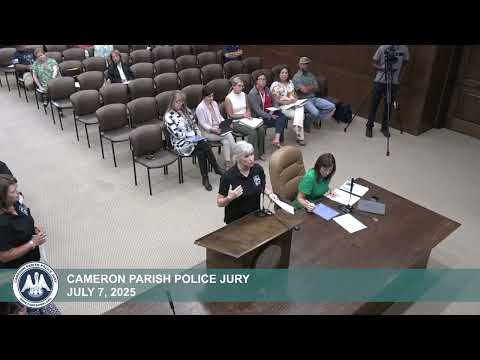
The district attorney addressed the Police Jury about a June 2 settlement with Roy Bailey Construction that resolved a contract dispute over the Grand Lake Barn Road.
Tom (district attorney) told jurors the police jury contracted Roy Bailey Construction in June 2024 to elevate the gravel road and that invoices were paid when the jury was satisfied with the work. After a public‑records request raised questions about the amount of dirt invoiced, the jury hired an engineer and received competing engineering reports. Tom said an investigation including interviews and document review took place, executive sessions were used for legal analysis, and a civil settlement was negotiated.
Under the settlement Roy Bailey Construction paid $74,500 — described in the meeting as the disputed invoice amount — and the police jury received releases and checks. Tom said as a result some officials resigned or were demoted and that the grand jury ultimately took no action; he stated, "There was absolutely no direct evidence of any criminal activity or conspiracy." Tom said that while an investigation was initiated, it did not lead to prosecution and that litigation risk and public cost motivated the settlement.
Jurors asked follow‑up questions about the grand jury timeline, the role of Danny Myers (a subcontractor) and whether conflicts required recusal. Tom said that had criminal charges developed he would have transferred the matter but ultimately retained jurisdiction and proceeded to the grand jury, which took no action.
Next steps: the release agreement and settlement documents were handed to staff for the voting meeting and jurors were assured the settlement and accompanying documentation would be available to auditors and the public record.