Get Full Government Meeting Transcripts, Videos, & Alerts Forever!
Get email alerts on the Education Budget topic
No spam. Unsubscribe anytime.
Howard County superintendent proposes $1.278 billion FY2027 operating budget focused on special education, multilingual supports and staff compensation
Summary
Superintendent Mr Barnes presented a proposed FY2027 operating budget of $1,278,000,000 that would add targeted investments in special education, pre‑K expansion, multilingual services and staff pay while repurposing some paraeducator and specialist roles; the proposal will be reviewed in public work sessions beginning Jan. 15.
Mr Barnes, superintendent, presented the Howard County Public School System's proposed fiscal 2027 operating budget on Thursday, asking the Board of Education to prioritize investments tied to the district's five strategic plan priorities while acknowledging fiscal constraints and declining enrollment. "The proposed fiscal year 2027 operating budget is $1,278,000,000, which reflects a $61,900,000, or 5.1% increase above the fiscal year 2026 budget," he told the board.
The proposal frames the budget as a strategic tool to improve student outcomes rather than a line‑by‑line holdover. Mr Barnes said the plan directs $75.5 million in new investments toward the district's priorities, but he warned that county and state funding may not cover the full request. He also described a net reduction of four positions overall, citing enrollment declines and targeted reallocations.
Key investments include expanding services for students with disabilities and for young learners: Priority 1 packages $12.2 million and 12 net positions for learning and instruction, including 25 new positions and associated transportation for pre‑K expansion, three additional pre‑K classrooms and a $4,000,000 investment to increase specialized program classrooms and reduce reliance on nonpublic placements. Mr Barnes cited Maryland Comprehensive Assessment Program (MCAP) results to underline the need for change, saying proficiency gaps for students served by Individualized Education Programs remain large.
To support multilingual learners, the proposal would add 11 English language development positions and consolidate interpretation and translation services under the Office of Communication and Engagement, a reallocation Mr Barnes described as budget neutral while adding three staff to improve delivery. "These positions will primarily support families," he said.
Priority 2 would add $2.3 million and 21 full‑time employees for student belonging and well‑being, including certified athletic trainers at each high school, six culture and safety assistants for middle schools and two float nurses to cover absences. Priority 3—fostering staff growth and engagement—represents the largest single increase at $53.3 million, including a $32.6 million placeholder for negotiated labor agreements, $2.5 million for national board certification pay and an estimated $18 million rise in health insurance costs.
Priority 4 proposes $7.5 million and two new positions to strengthen planning and operations, with a $5.5 million placeholder to cover anticipated transportation contract cost increases. The plan also includes a new staff attorney dedicated to special education to reduce outside counsel costs and a budget analyst position for labor costing and grants.
Priority 5 focuses on family and community partnerships; the transcript references $77,000 in additional costs to support multilingual families and a proposed hourly increase for interpreters from $30 to $35 (a $67,000 investment) to better align pay with market rates.
Mr Barnes outlined significant reallocations and role changes intended to prioritize students with the greatest needs. Those changes include converting some math and literacy coaches to lead teacher roles, eliminating one media specialist position per high school while creating media paraeducator posts, and retraining and redeploying many elementary paraeducators (excluding early childhood and kindergarten) as instructional paraeducators focused on special education and multilingual learners. He acknowledged the anxiety these shifts may create and said the Department of Human Resources will notify potentially impacted employees and provide options.
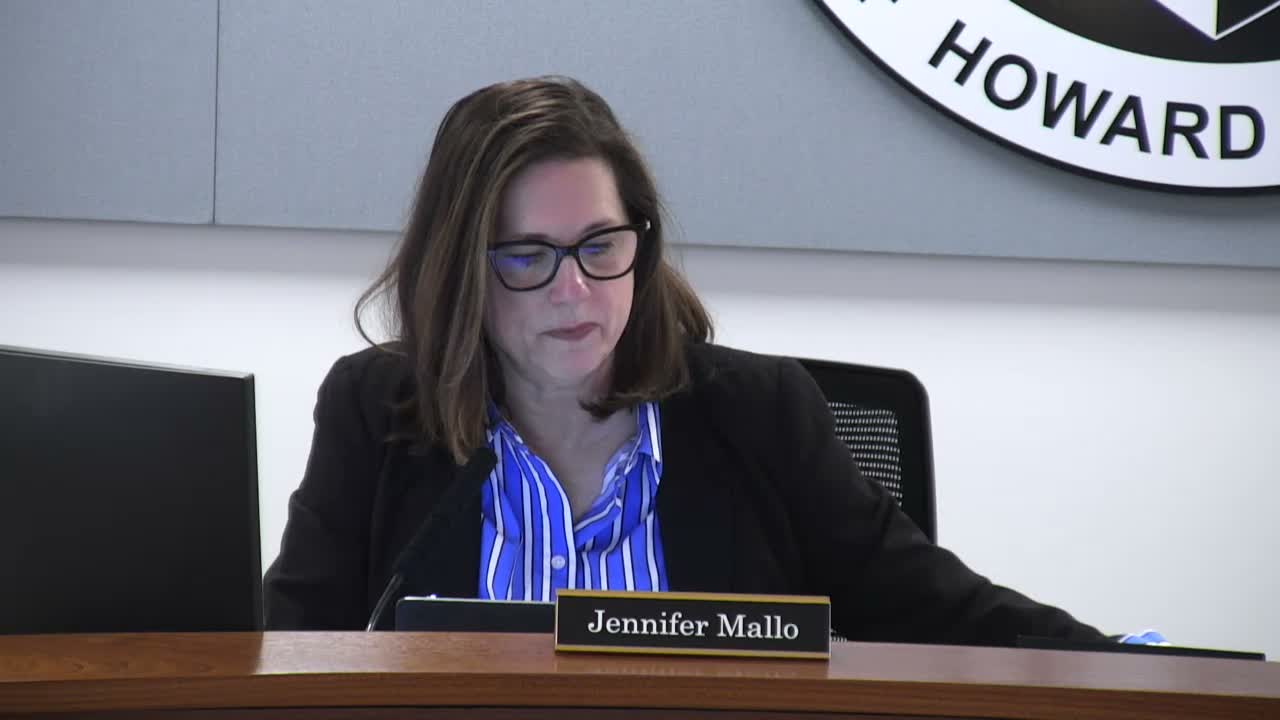
The presentation did not include board questions; Chair Mallow said members will discuss the details in public work sessions beginning Jan. 15, 2026, and that the board expects to continue deliberations through the spring with final adoption timed for May as part of the FY2027 process. Earlier in the meeting the board approved the meeting agenda on a roll call vote of 8–0.