Get Full Government Meeting Transcripts, Videos, & Alerts Forever!
Get email alerts on the Beekeeping Boulder Knoll topic
No spam. Unsubscribe anytime.
Cheshire council tables Boulder Knoll beekeeping lease after environmental concerns raised
Summary
A resident told the council managed honeybees can harm native pollinators and reduce open space use; after questions from council members the proposed two‑year lease amendment with the Connecticut Beekeepers Association for Parcel B at 866 Boulder Road was tabled for further review.
Joy Vanderlak, a Cheshire resident, urged the Town Council on Feb. 10 not to renew a lease permitting beehives at Boulder Knoll, citing scientific studies and a recent Washington Post article she said show managed honeybee colonies can harm native bee populations.
"Honeybees... never have been in trouble," Vanderlak said, summarizing the Washington Post piece and arguing that the surge in suburban beekeeping can spread disease and outcompete native bumblebees and solitary bees. She said the presence of hives has reduced public access on the hill and suggested the town prioritize native pollinators and open‑space recreation.
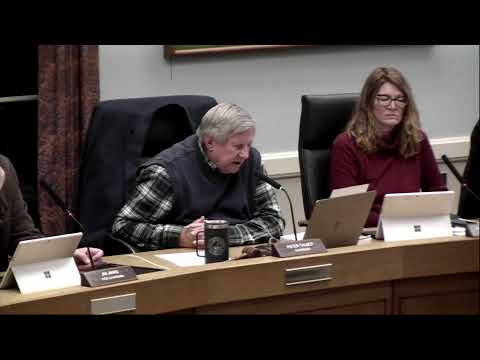
Councilors noted the question before them was whether to approve a first lease amendment with the Connecticut Beekeepers Association for Parcel B at 866 Boulder Road. After Vanderlak’s comments, Councilor Don Walsh moved to table the lease amendment and asked staff and the town’s environmental committee to provide more background information, a request seconded by Councilor Yona Pearson.
"To make a motion that we table this, and perhaps ask town staff or maybe our environmental committee to look into this matter," Walsh said before the council voted to table the item unanimously.
Town Manager Sean M. Kimball said the leases for Boulder Knoll are separate arrangements and that relocation of hives is possible; residents and councilors also discussed whether the animals could be moved to other farmland or properties where they would be less likely to conflict with open‑space users.
The motion to table does not reject the amendment; it pauses council action while staff and the environmental committee gather additional information on ecological impacts, lease terms, and potential relocation options. The item was not scheduled for immediate reconsideration; staff indicated the materials Vand erlak offered, including the Washington Post article, were left with the clerk for distribution to council members.
The council’s vote means the lease amendment will not proceed until the requested research and recommendations are returned to the council for further consideration.