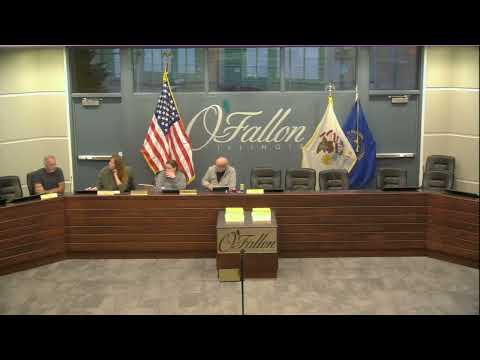
O'Fallon fire chief warns of rising costs, shrinking reserves and need for future apparatus as calls climb

O'Fallon City Committees (Parks & Recreation; Community Development; Public Safety) · February 10, 2026

Loading...

AI-Generated Content: All content on this page was generated by AI to highlight key points from the meeting. For complete details and context, we recommend watching the full video. so we can fix them.

Summary

Chief White told the Public Safety committee the department's dual municipal/district model serves ~45,000 people, call volume has risen to roughly 1,300 incidents, capital reserves are low and rising equipment and training costs make future vehicle purchases and outfitting new firefighters a budgetary priority.

Chief White told the Public Safety committee that O'Fallon's fire department — a dual municipal and fire‑protection district model — now serves about 45,000 residents across roughly 45 square miles and has grown from about 39 rostered firefighters in 2019 to roughly 60 today.

"We are a combination department," Chief White said, outlining a small full‑time core (five staff), paid‑on‑call volunteers and part‑timers who provide most of the response. He said the department ran about 1,300 calls in the most recent year and that many of those are nonlife‑threatening or canceled calls; average annual fires remain modest (roughly 51 structure/home fires).

White described rising costs across equipment and training since the COVID era and said capital reserves are insufficient to cover major apparatus replacements. He told the committee that industry price increases have made procurement more expensive and that the department's five‑year capital reserves are largely committed to a recently purchased truck. "Five years of savings there, $748,000, that's not even enough for one truck," he said, adding that an additional ladder/truck procurement and possible station consolidation need long‑term planning.

The chief reviewed training and certification expectations for volunteers, the regional academy curriculum (about 370 hours), NFPA physical and equipment requirements and the expense of bunker gear and medical screenings. He noted the city is expanding day‑shift coverage to two 12‑hour shifts and plans to add overnight staffing in the near‑term budget, but that outfitting more personnel is a critical cost driver.

Committee members praised the department's model and success in recruiting volunteers but repeatedly returned to funding questions. The council indicated they do not want a property‑tax increase and requested staff study alternative funding options; White said the topic will be part of budget conversations this summer.

Separately on the Public Safety agenda, the committee voted to forward a resolution authorizing the mayor to execute an intergovernmental agreement to sell a surplus 2013 Osage ambulance to Osage Ambulances, with staff noting prior auction proceeds and citing $12,050 as fair‑market value for the vehicle.

No public comment was offered and the committee adjourned.