
Witness, Lawmaker Debate Whether 'Make Elections Great Again' Bill Curbs Ballot Harvesting
Get AI-powered insights, summaries, and transcripts
Subscribe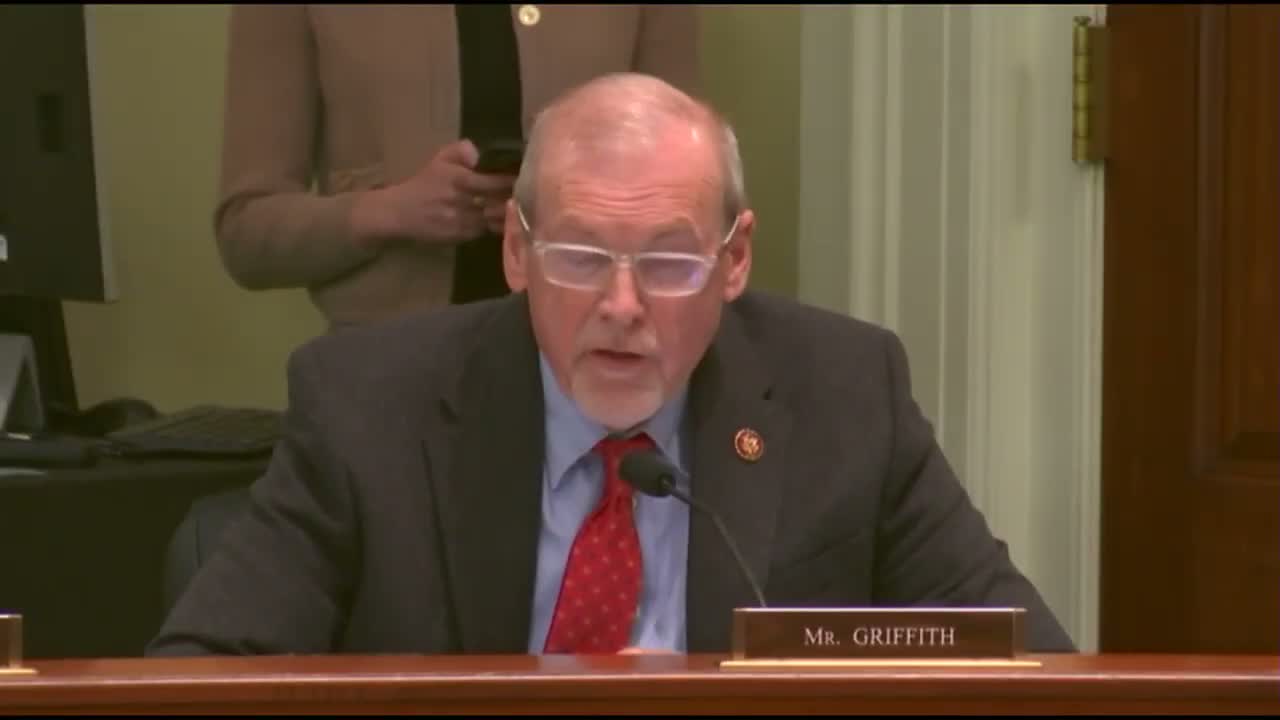
Summary
At a House Administration Committee hearing, an unidentified member defended the "Make Elections Great Again" bill against comparisons to Jim Crow while attorney witness Mister Noble told lawmakers current penalties don’t deter fraud and said the bill would curb ballot harvesting and improve voter security.
An exchange at a House Administration Committee hearing centered on whether the "Make Elections Great Again" bill would protect voting access or revive discriminatory practices.
An unidentified House member opened by defending the bill and rejecting comparisons to Jim Crow, saying lawmakers in the early 20th century used rules to disenfranchise African Americans and poor white voters. "The make elections great again bill is not Jim Crow," the member said, invoking the 1902 Virginia constitution as an example of how laws were used to exclude voters.
The member then asked a witness, referred to in the transcript as Mister Noble, whether current penalties for election fraud adequately deter bad actors. Mister Noble, an attorney testifying to the committee, answered no, saying fraud has occurred across U.S. elections for centuries and that he had submitted historical accounts documenting 19th- and 20th-century fraud. "So when you look at fraud, you can't look at it in the terms of last week or last year or 2 years," he said, adding that the law should be strengthened.
On the specific practice of third-party collection of ballots, commonly called ballot harvesting, Mister Noble argued that the Australian ballot—private, in-person voting—was developed to prevent harassment and payments for votes. He said the rise of all-mail balloting and ballot collection programs risked a return to older abuses and that the bill would prohibit ballot harvesting nationwide, calling that change "a great improvement." The member pressed that making voting more secure would benefit African Americans and poor white voters in his district; Mister Noble agreed.
No formal vote or motion on the bill appears in the transcript provided. The exchange consisted of historical framing from the member, legal perspective and historical citations from the witness, and questions about whether the bill would change enforcement and practices such as ballot collection.
The hearing transcript records the exchange but does not identify the member by name; the witness appears only as "Mister Noble." The committee moved on after the exchange.