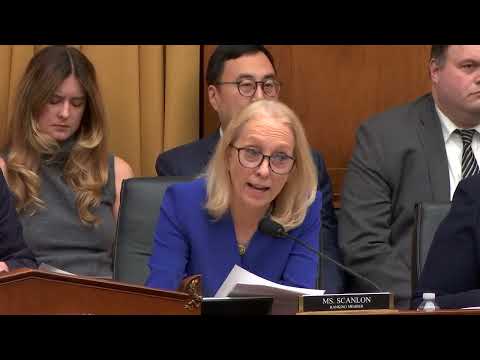
House Judiciary subcommittee hearing criticized as stoking anti‑Muslim sentiment; member warns H.R. 5722 would be unconstitutional
Loading...
Summary
An unidentified member of a House Judiciary subcommittee told the panel the hearing was being used to foment anti‑Muslim sentiment and said H.R. 5722, which would deny immigration benefits to adherents of Sharia law, would violate the First Amendment and establishment clause.
An unidentified member of a House Judiciary subcommittee on Thursday accused colleagues of using the hearing to stoke fear of Muslims and said proposed legislation singling out ‘‘Sharia law’’ would be unconstitutional.
The speaker told the subcommittee the hearing appeared motivated by political maneuvering ahead of a Texas Republican primary and cited a Dallas‑area real‑estate project that had been the subject of public scrutiny. "I can't think of anything more un American than for members of Congress to be stoking fear and suspicion against fellow Americans or anyone else on the explicit basis of their religious beliefs," the speaker said.
The member described the proposal recorded in the transcript as H.R. 5722 as a bill that "requires the government to, among other things, deny any immigration benefit, visa, immigration relief, or admission to the United States to any foreign national who adheres to Sharia law" and said it would also direct removal of persons found to adhere to Sharia. The speaker said such measures would discriminate on the basis of religion and likely violate the First Amendment's protections for religious exercise and the establishment clause.
"By banning an adherent of Sharia law from the country, the bill essentially targets any observant Muslim for government discrimination," the speaker said, adding that Sharia primarily governs personal religious observance such as prayer, marriage and fasting and is not a blueprint for imposing law on non‑believers.
The speaker also said the Trump Justice Department had closed an investigation into the Dallas‑area development and found no basis for a fair‑housing violation, arguing that the local case did not support assertions that the development was a "Sharia compound." The member characterized the hearing as "demagoguery" and "unbecoming of the subcommittee," and urged the panel to focus on what the speaker called repeated attacks by the Trump administration on constitutional order and civil liberties.
The member concluded by saying the hearing risked stoking anti‑Muslim hatred and yielding back the remainder of their time.
The remarks were the only substantive statements recorded in the provided transcript. No formal motion, vote or other committee action appears in the transcript excerpts supplied.