Get Full Government Meeting Transcripts, Videos, & Alerts Forever!
Get email alerts on the Edc Governance topic
No spam. Unsubscribe anytime.
EDC attorney tells Liberty Hill board to use transparency and written agreements to protect public funds
Summary
EDC attorney Josh briefed the Liberty Hill Economic Development Corporation on legal limits and best practices — from Open Meetings and public-records rules to performance agreements and clawbacks — urging yearly reviews and written transparency measures.
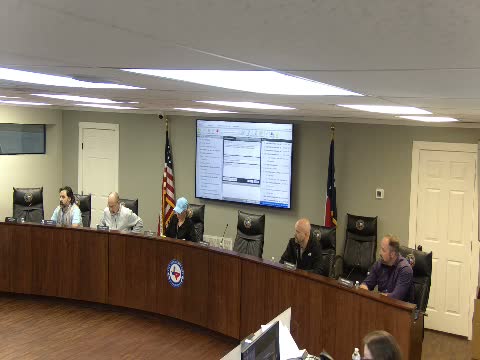
Josh, the EDC attorney, told the Liberty Hill Economic Development Corporation on Dec. 17 that strict statutory and constitutional rules constrain how the board may spend public tax dollars for economic development and urged routine governance checks.
"I always tell the clients I like to help them get to yes, right, without going to jail," Josh said, framing the presentation as a practical primer on what the law requires and where boards commonly err.
The presentation outlined several requirements the board must follow. Josh cited the Texas Constitution and Local Government Code provisions that authorize EDCs and distinguish Type A and Type B projects. He said that projects involving incentives must be authorized by the board and that written performance agreements are required before disbursing incentives. Those contracts, he said, should include job and investment schedules and clawback provisions to recoup funds if economic-development obligations are not met.
Josh told the board that expenditures above $10,000 require city-council approval by resolution or minute entry and recommended publishing an annual "master project list" after the budget is adopted to give the public advance notice of likely projects. He also explained that land acquisitions normally require a 60-day notice if not already included on a master list.
On meeting and records rules, Josh warned that most EDC business must occur in open meetings and cautioned about walking quorums and serial communications that can void actions taken in violation of the Open Meetings Act. He emphasized the consequences of violations, including possible legal challenges, attorney-fee awards and, for knowing violations, criminal penalties.
Josh also described recent changes to public-records law that make current and former public officials and board members records custodians; he urged board members to forward any EDC-related information on personal devices to the EDC or city records custodian to avoid individual production obligations. He noted that the EDC’s records custodian is Elaine.
On conflicts of interest, Josh summarized Local Government Code §171 thresholds for substantial interest (for example, ownership or income thresholds) and advised members to disclose and step aside when appropriate to avoid both legal violations and appearance problems. He closed by reviewing the confidentiality of executive sessions and recommending NDAs for circumstances where businesses request them.
Board members asked clarifying questions about notice practices and contingencies; Josh recommended frequent "temperature checks" with city counsel and annual refreshers of these legal topics. The attorney said the presentation should be repeated annually to maintain compliance and transparency.
The briefing did not include a formal board vote; it was presented as an informational item and staff said copies of the materials would be distributed by email.