
Attorney Walter Beninati: Bankruptcy can be a legal reset, not a life sentence
Get AI-powered insights, summaries, and transcripts
Subscribe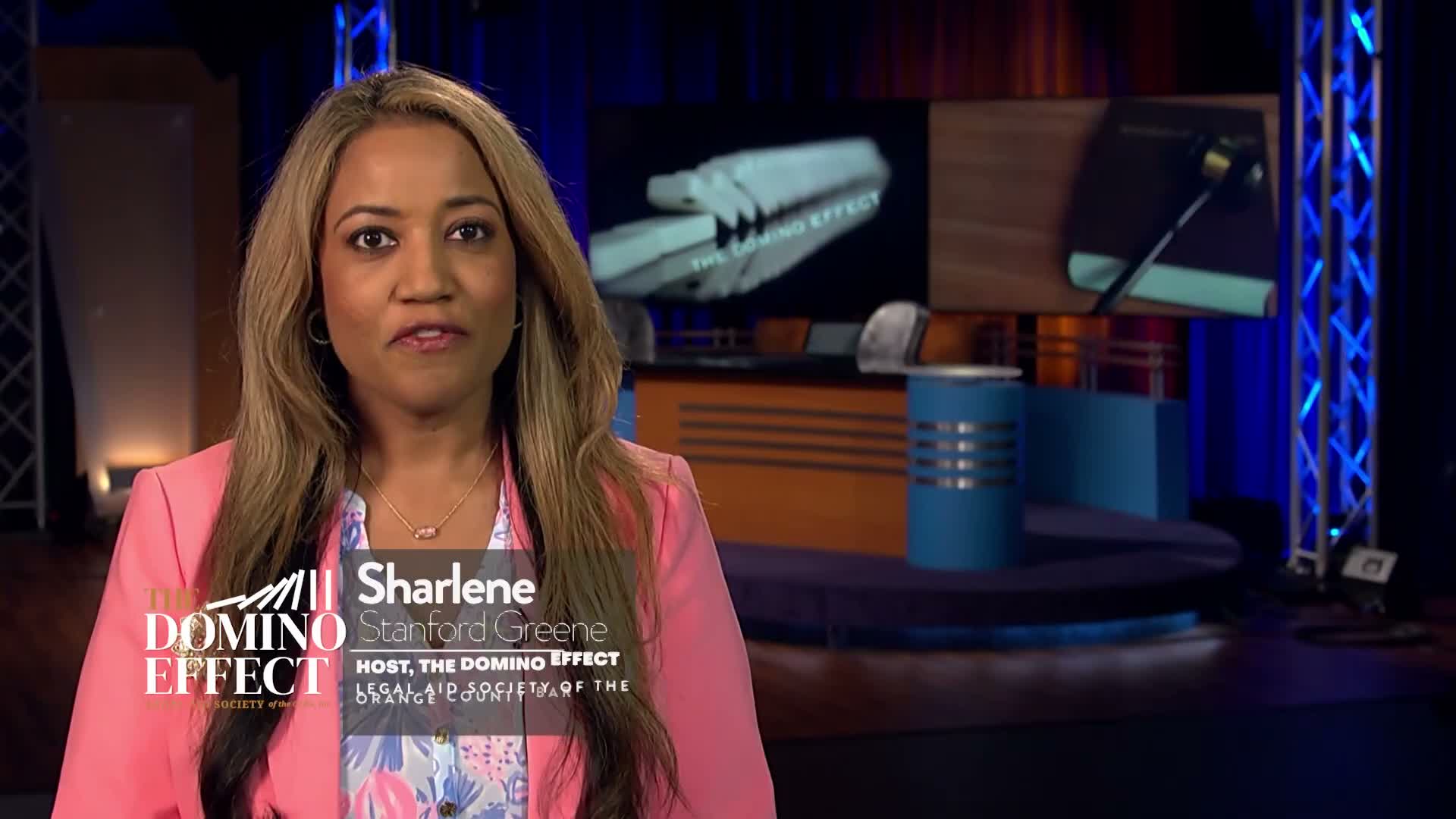
Summary
In a Domino Effect interview, bankruptcy attorney Walter Beninati explains Chapter 7 and Chapter 13 basics, Florida exemptions, rising filing trends and resources — including pro bono work with the Legal Aid Society of the Orange County Bar Association.
Charlene Stanford Green, host of the Domino Effect, spoke with bankruptcy attorney Walter Beninati about how bankruptcy works, who it helps and what comes after filing.
Beninati said Chapter 7 is typically a short, roughly four‑month process in which a trustee reviews a debtor’s estate and unsecured debts may be discharged. "This process is a 4 month process and oftentimes, it's for the price of 1 month's rent where you're able to discharge all your credit card debt," he said, noting that Florida’s homestead and vehicle exemptions mean many people can retain homes and necessary vehicles.
He described Chapter 13 as a three‑ to five‑year reorganization plan that allows debtors to repay some obligations, catch up on mortgages and sometimes reduce the principal balance owed on secured items such as vehicles. "In a chapter 13 … you get your discharge at the completion of the 5 year plan," Beninati said.
Beninati emphasized bankruptcy is often driven by events outside a person’s control — job loss, medical bills or other shocks — and is not necessarily the result of recklessness. "It's something that we've been doing for almost 20 years… sometimes the last option is the best option," he said.
He warned listeners against costly debt‑settlement companies that make aggressive pitches and said many clients are better served by speaking with an attorney. He also described common fears — such as trustees searching a home — as overblown in Central Florida, saying that such inspections are rare.
The attorney addressed limits on discharge: child support cannot be wiped out, and discharging student loans typically requires additional legal steps or litigation against the Department of Education. He warned that potential resumption of wage garnishments for student loans could drive more people to file; he cited a recent 12‑month period with about 557,000 bankruptcies nationally and roughly 40,000 in Florida (up from 32,000 the previous year).
Beninati also discussed post‑bankruptcy recovery. He advised clients to avoid immediate new debts and predatory credit offers. "I suggest they get a secured credit card," he said, describing secured cards and shared secured loans through credit unions as ways to rebuild credit safely. He suggested clients forward suspicious offers to their attorney for review.
On access, Beninati said his office serves Spanish‑speaking clients and works with Orange County Legal Aid to offer pro bono services; he said the firm received a pro bono champion award after long‑running collaboration. He gave two office locations (Robinson Street near downtown Orlando and an office in Kissimmee by the Osceola Courthouse) and a website, 407bankrupt.com, for people seeking information. The show also directed viewers to the Legal Aid Society of the Orange County Bar Association and provided their phone number and website for help.
The interview concluded with practical next steps: seek a consultation, complete the required pre‑filing credit counseling and post‑filing debtor‑education courses, and consult an experienced attorney to decide whether bankruptcy is the appropriate option.
The episode does not offer legal advice for individual situations; listeners were directed to the Legal Aid Society of the Orange County Bar Association (legalaidocba.org, phone provided on air) or to contact a qualified bankruptcy attorney for case‑specific guidance.