
Orlando Commissioner Roger Chapin outlines priorities: public safety, infill housing, SunRail links and regional planning
Get AI-powered insights, summaries, and transcripts
Subscribe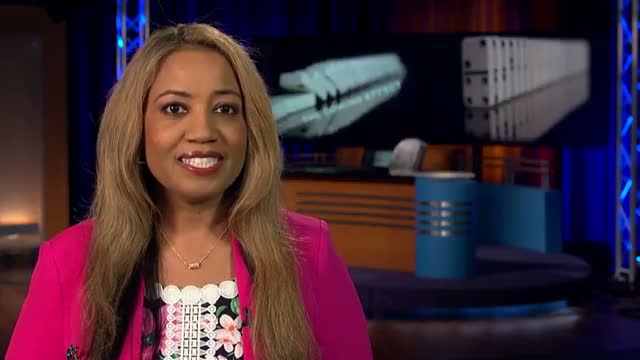
Summary
In an interview on The Domino Effect, newly sworn Orlando City Commissioner Roger Chapin said the city’s largest budget pressure is public safety and outlined plans to prioritize infill development, walkable main streets, transit connections and a new joint planning agreement with Orange County to manage growth.
Orlando City Commissioner Roger Chapin, who took office days before the interview, told The Domino Effect that the city’s largest budget pressure is “the biggest part of the budget is public safety,” and he said he will prioritize infill housing, walkability and regional cooperation to improve life in District 3.
Chapin, representing the area north of Colonial Drive (Highway 50), said he sees the city focusing on targeted investments along Main Street corridors such as Edgewater Drive and Ivanhoe to support businesses and make daily trips easier for residents. “If more people are walking, if our parks are being utilized, if our main street districts… are seeing new businesses come in,” Chapin said, “you’re seeing responsible infill development where you can live, you can walk easily to transit.”
The commissioner described infill as redevelopment in places where infrastructure already exists — sewer, utilities and parking — and contrasted it with outward growth in Orange County that can strain roads and services. Chapin urged stronger cooperation with the county, saying the city needs “to collaborate with Orange County to get a new joint planning agreement … so we can stop having arguments about what growth goes where.” The agreement (referred to in the interview as a JPA) would, he said, predefine where urban versus suburban growth should occur.
On housing stability, Chapin said the city often partners with nonprofits — citing the Coalition for the Homeless, the Christian Service Center and Harbor House — to keep people housed. He described many nonprofit interventions shifting toward essential roof repairs that allow homeowners to retain insurance and avoid displacement: “almost all of that money… is related to keeping people in their homes, to fix a roof.”
Chapin also described how personal experience shapes his priorities. Speaking of a child he lost who used a wheelchair, he said the experience informs his attention to accessibility: “I know what it's like to be on a sidewalk that doesn't have a ramp,” and he promised to give an “outsized ear and voice” to ADA and accessibility issues.
Asked how residents can reach his office, Chapin directed callers to City Hall and the city website and named two district aides — Chris Durant and Lauren Rue — as staff who assist constituents. (An email address was read during the program; the spelling as broadcast appears inconsistent in the record.)
Chapin framed his approach as pragmatic and collaborative: working with city staff, other commissioners, the mayor’s office and partner governments at the county, state and federal levels to secure funding and implement multi-year plans. He said many budget items are planned years in advance and emphasized that execution — not just promises — matters for residents who want answers and results.
The interview aired on The Domino Effect, a Legal Aid Society program. The episode closed with information about Legal Aid services and a referral phone number.