Get Full Government Meeting Transcripts, Videos, & Alerts Forever!
Get email alerts on the Corrections topic
No spam. Unsubscribe anytime.
Senators weigh out‑of‑state placements as corrections overtime and parole trends strain budget
Summary
Lawmakers on the floor said rising overtime and shrinking discretionary parole rates have driven corrections costs higher, and they discussed revisiting out‑of‑state placements while calling for reforms including diversion programs and a new Veterans Justice Act.
Lawmakers raised concerns about rapidly rising corrections costs and debated whether sending some inmates to out‑of‑state facilities should be reconsidered as a budget‑management option.
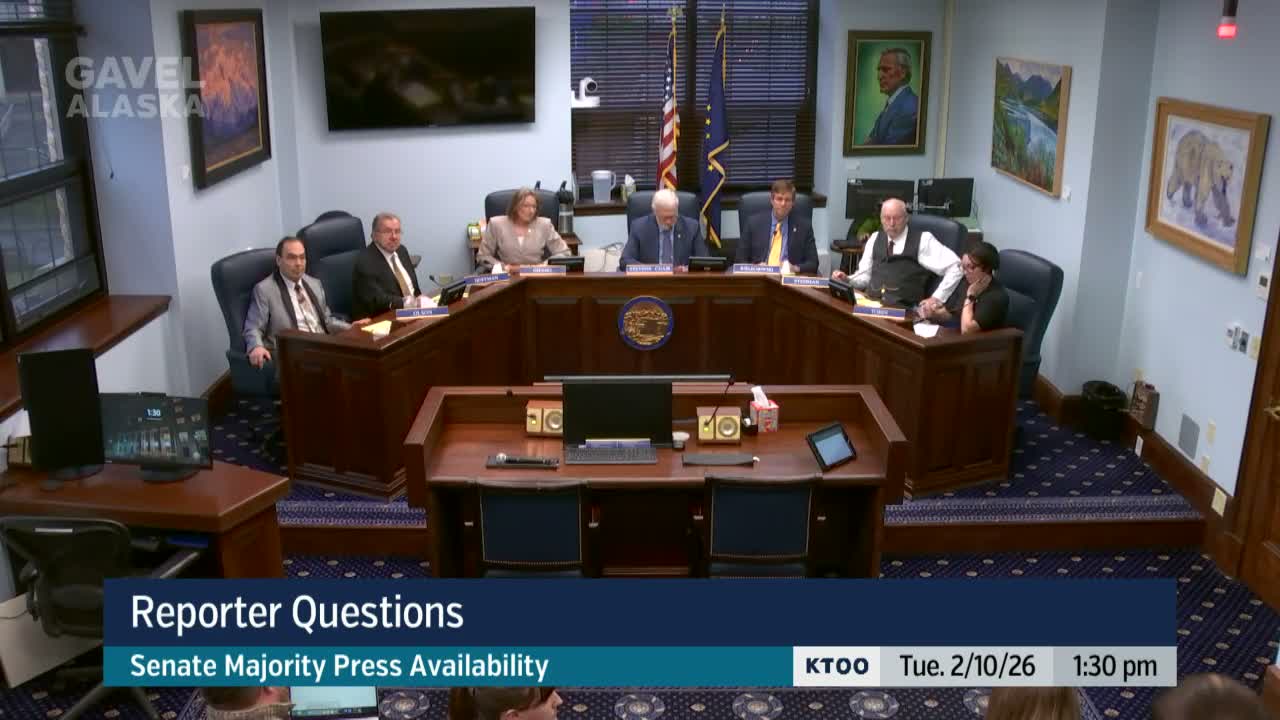
Reporter Eric Stone asked senators whether the legislature should explore sending inmates to outside facilities; senators said Alaska had used that approach previously but emphasized trade‑offs. ‘‘It is a big issue but it's an enormous cost and we've got to explore everything,’’ a senator said, adding that bringing people home has been a policy aim because of family access and cultural reasons.
Multiple senators said overtime and supplemental requests for the Department of Corrections have grown dramatically and that the way overtime is allocated may be driving costs. One legislator cited low discretionary parole rates and recommitments as factors increasing incarceration. Another senator described introducing a Veterans Justice Act intended to create diversion pathways for veterans and reduce incarceration where treatment is a better option.
Why it matters: Corrections operating costs are a material driver of the state's strained operating budget, with senators noting recruitment, retention and reliance on overtime increase costs and complicate planning.
What’s next: The senate indicated it will hold hearings in state affairs and finance to examine corrections staffing, overtime administration and potential policy solutions, including diversion and parole board changes.
Attribution: Statements and questions are taken from the floor transcript and reporter exchanges.