Get Full Government Meeting Transcripts, Videos, & Alerts Forever!
Secretary of State tells committee SAVE checks flagged 42 possible non‑citizen voters; initial mailings were far larger
Summary
Secretary Hargett said SAVE database matches initially produced a large notification list but after follow‑up the department identified 42 potential non‑citizen voting cases that were referred to the FBI for investigation; committee members questioned the scope of initial mailings and the confirmatory process.
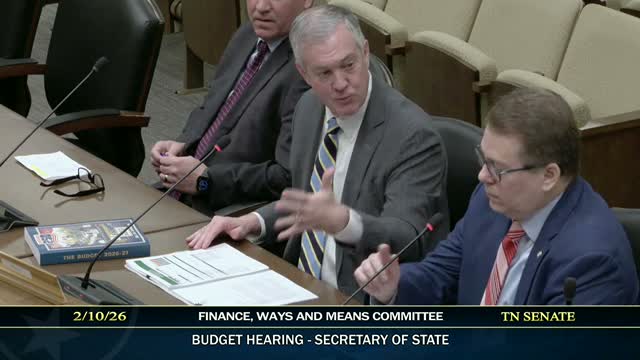
During a Feb. 10 Senate Finance committee hearing Secretary of State Hargett and staff described their review of potential non‑citizen registrations identified via the SAVE (Systematic Alien Verification for Entitlements) check and the department’s subsequent actions.
Secretary Hargett described a multi‑step review process: the department compared registered voters to the SAVE database, sent notices and followed up through other data sources (including the Department of Safety), and pursued confirmations before referring any cases to law enforcement. He…
Already have an account? Log in
Subscribe to keep reading
Unlock the rest of this article — and every article on Citizen Portal.
- Unlimited articles
- AI-powered breakdowns of topics, speakers, decisions, and budgets
- Instant alerts when your location has a new meeting
- Follow topics and more locations
- 1,000 AI Insights / month, plus AI Chat