Get Full Government Meeting Transcripts, Videos, & Alerts Forever!
Get email alerts on the Property Tax topic
No spam. Unsubscribe anytime.
Senate advances sweeping tax-revenue bill that would limit reserves and tighten residential exemptions
Summary
Senate debate on SB97 focused on limits to local reserve funds, a proposal to limit residential property-tax exemptions to one primary residence per household, and new rules on certified tax-rate calculations. Sponsor said changes curb surplus accumulation; critics warned about impacts to small school districts and bonding.
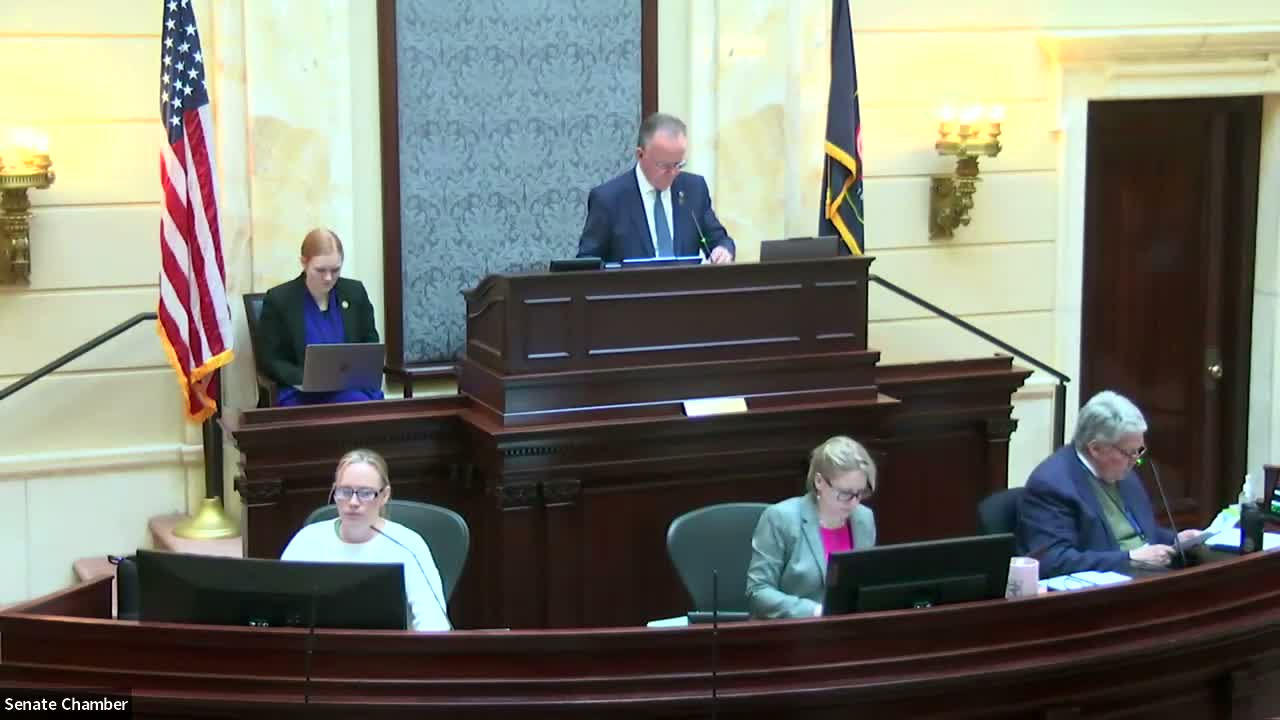
Senator McKay presented a broad tax-revenue bill (First Substitute Senate Bill 97) on Feb. 10 that would alter local-government reserve rules, limit certain residential property-tax exemptions and tweak several calculations used in setting property-tax rates.
Key provisions the sponsor described include reducing the allowable accumulation of reserve funds in local general funds (a rollback from prior higher caps to 25 percent), limiting the residential property-tax exemption to one primary residence per household, creating a rebuttable presumption that business-owned property does not qualify for residential exemptions, and excluding increases in certain tangible personal property from project-area new-growth calculations. The sponsor said the bill also subtracts interest earned on surplus accounts from certified tax-rate calculations so those earnings reduce local tax burden rather than boost local spending.
Several senators raised concerns about practical effects and unintended consequences. Senator Winterton questioned why school districts were excluded from some caps and worried about bonding ability; McKay explained the bill treats school funding differently because of the minimum school program and existing statutory constraints. Senator Brammer expressed reservations about a flat 5% cap on tax increases and warned the policy might incentivize annual tax increases to avoid losing future capacity to raise taxes. Senator Reby and others asked whether the reserve caps would impede school districts’ ability to save for capital projects and bond for construction; the sponsor said those concerns are under active review and that parts of the cap may be removed or modified in an upcoming substitute.
After debate the sponsor asked the body to read the bill a third time so he could continue work on amendments; the clerk announced: "First substitute, senate bill 97, having received 16 yay votes, 11 nay votes, 2 being absent, shall be read a third time." The sponsor indicated he will continue negotiating sub-amendments with counties and cities and bring revised language back to the body.
Next steps: Sponsor plans further negotiations and a substitute to address concerns about uniform caps, school-district implications and the new-growth definition before further final action.