
Senate approves wide-ranging medical cannabis bill to adjust licensing, labeling and patient support
Get AI-powered insights, summaries, and transcripts
Subscribe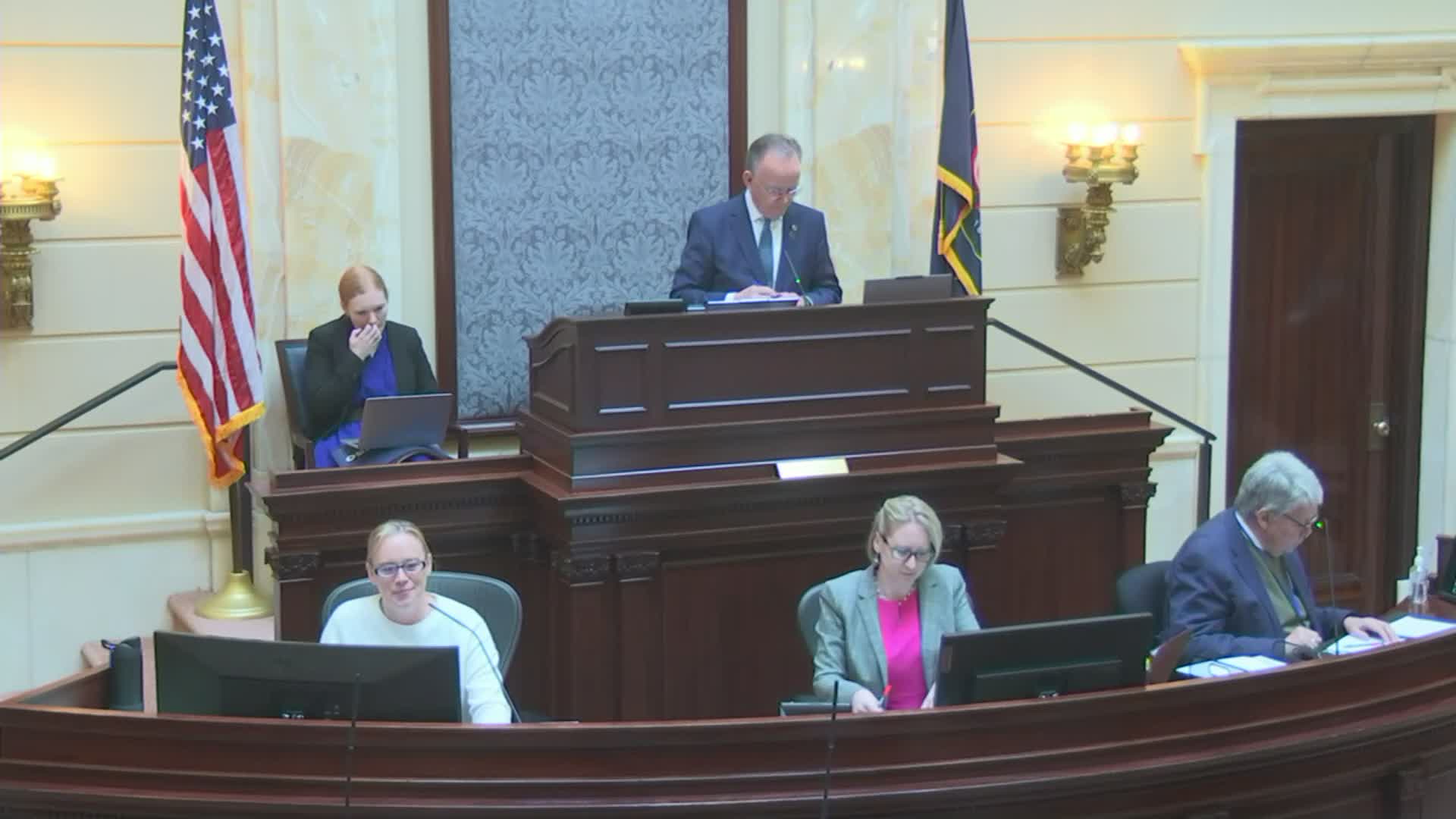
Summary
The Utah Senate passed first substitute Senate Bill 121, a package of medical-cannabis program amendments that extends certain licensing review timelines, tightens product labeling, creates a voucher program for low-income patients and changes caregiver screening for incapacitated patients; sponsor and supporters said the changes reflect years of work to refine the voter-approved initiative.
Senators passed first substitute Senate Bill 121 on a voice/call vote after an extended floor presentation and brief exchanges about the scope and history of the state’s medical-cannabis program.
Sponsor Senator Vickers said the bill collects a set of technical and policy changes developed over years of work on the issue and is intended "to make this program as the very best medical program we can possibly have." He told colleagues the substitute contains several practical changes, including increasing the Department’s review period for license ownership changes from 30 days to 60 days and clarifying permissible product descriptions and labeling so products are not attractive to children.
Vickers also described several patient-facing provisions: removing a one-hour statutory education time requirement for provider training to allow flexibility for the Department of Health and Human Services; creating a voucher-like mechanism to help low-income patients (those on Medicaid or Medicare with low incomes) afford products not covered by insurance; and converting a statutory license-revocation discretion in some UDAF enforcement circumstances into a required action to ensure consistent enforcement. On caregivers for incapacitated patients, the bill replaces a statutory background-check requirement with an attestation process.
During questioning Senator Brammer pressed the sponsor on the breadth of amendments and on how many statutory changes have been made to the program since its creation; Vickers said there have been numerous changes over many years and described ongoing advisory and working groups that help craft annual adjustments. Senator Grama raised concerns about constitutional limits when the legislature alters voter initiatives; Vickers and others said the work has been bipartisan and aimed at preserving the initiative’s medical intent while resolving implementation issues.
Senator Escamilla rose in support and framed the bill as an example of a multi-stakeholder policy process: "this is really a great example ... on how good public policy can happen when you bring everyone together and it's not easy," she said.
The sponsor moved to pass the first substitute; the Senate recorded 27 yea votes, 0 nay votes, and 2 absent and the bill will be transmitted to the House for consideration.
What the bill changes: among the specific clarifications and mechanics described on the floor are a longer administrative review timeline for certain licensing decisions (30 → 60 days), adjustments to how product names and packaging are regulated to limit youth appeal, removal of a one-hour statutory training mandate to allow agency flexibility, pilot or voucher assistance for low-income patients, and a shift from mandatory background checks to signed attestation for certain caregivers of incapacitated patients. The floor summary did not include statutory section numbers for each change; agency regulations and bill text will provide full details.
Next steps: the bill now goes to the Utah House for consideration. The sponsor and multiple supporters said stakeholders and agency staff will continue to work on implementation details as the bill proceeds.